
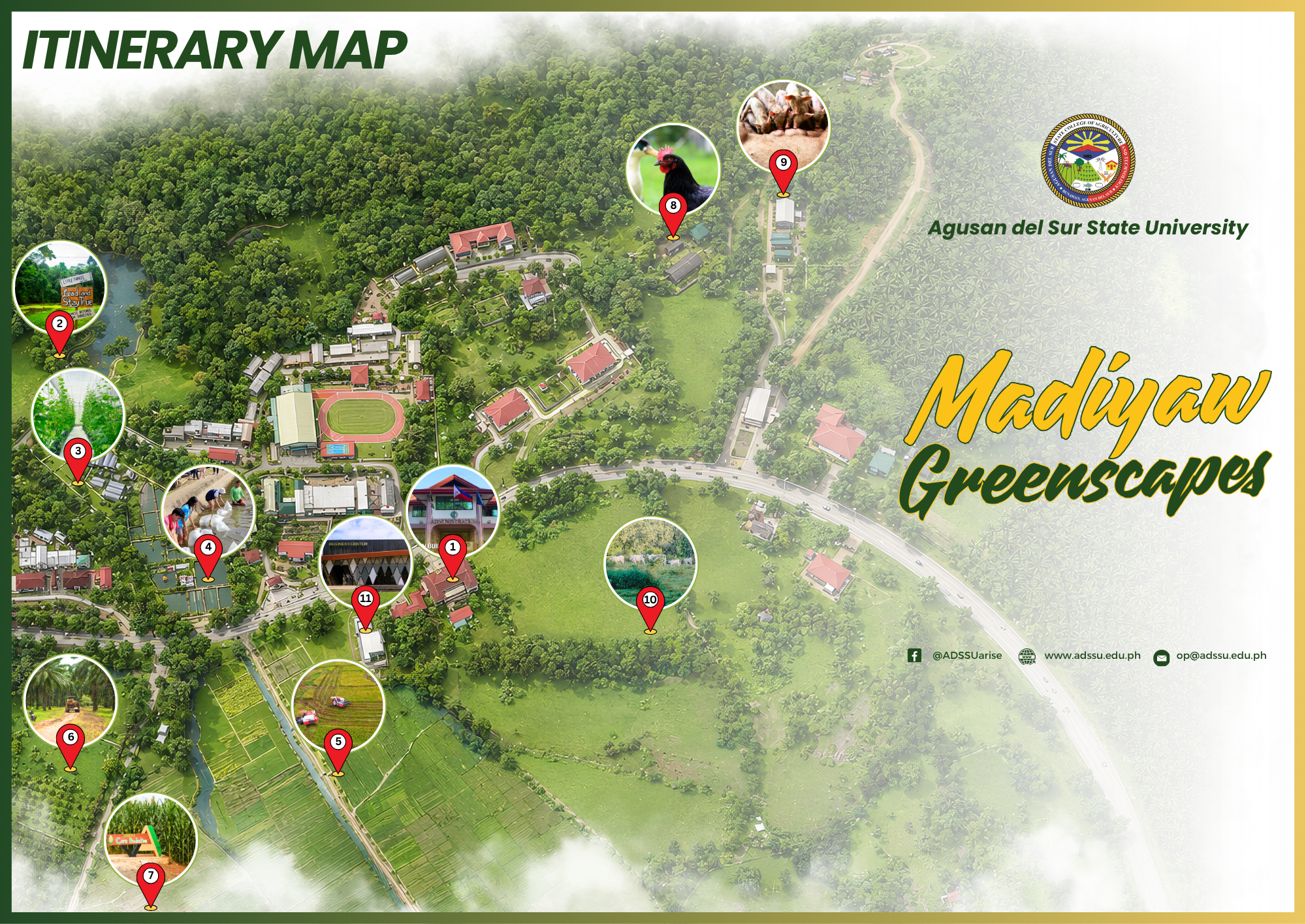
Madiyaw Greenscapes is Agusan del Sur State University’s (ADSSU) agritourism initiative that transforms the University’s agricultural landscape into an interactive destination for learning and recreation. Featuring demonstration farms, eco-trails, and immersive farm experiences, it promotes sustainable agriculture, environmental appreciation, and experiential learning while showcasing the University’s diverse agricultural enterprises.

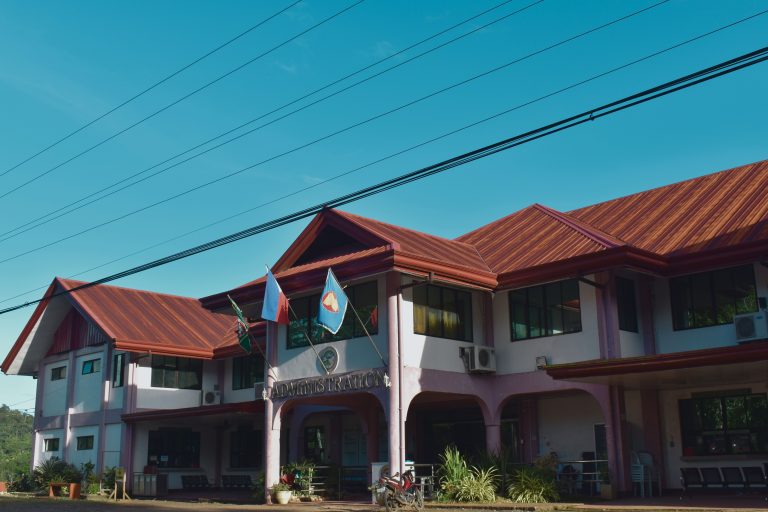
The Administration Building serves as the central hub for governance, planning, and institutional operations of Agusan del Sur State University. It houses key offices that ensure the efficient delivery of academic and support services, facilitating policy implementation, decision-making, and coordination across the university. As the heart of the institution’s administrative functions, it provides essential services to students, faculty, staff, and stakeholders while supporting the university’s mission of excellence in instruction, research, extension, and innovation.

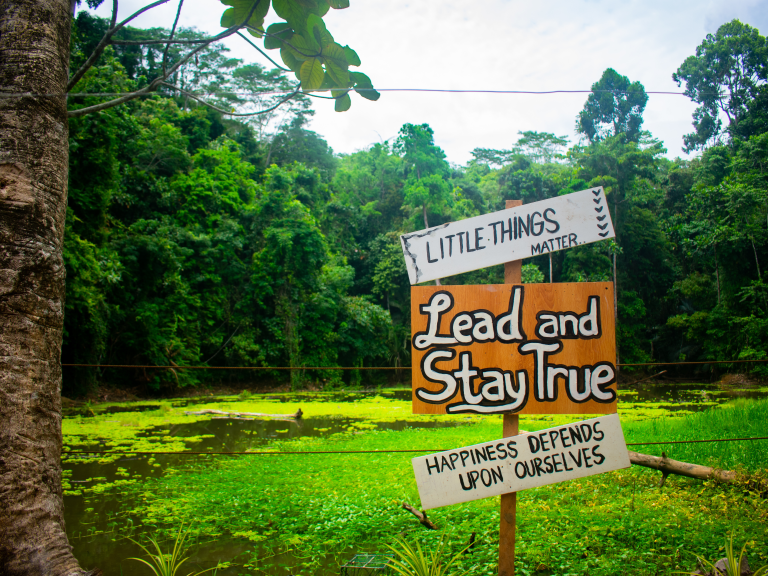
The Dam and Eco-Park serves as a functional water resource facility and a scenic recreational space within the ADSSU campus. Featuring a managed reservoir and lush natural surroundings, it reflects the university’s commitment to environmental conservation, sustainability, and ecological stewardship. Beyond supporting irrigation and campus operations, the area provides opportunities for outdoor learning, eco-tourism, recreation, and appreciation of the environment, making it a place for both education and leisure.
Activities:
- Nature Walks
- Outdoor Learning
- Focus Group Discussions
- Photography
- Picnics & Relaxation
- Sightseeing
- Meditation & Mindfulness

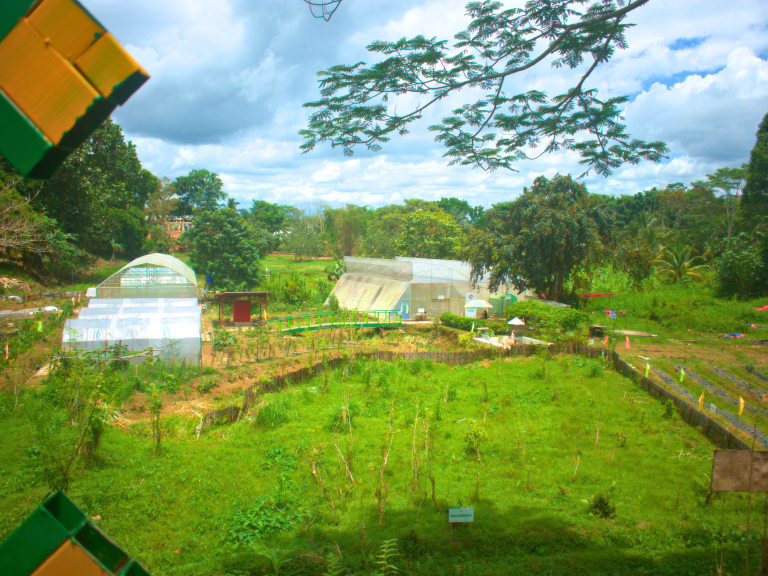
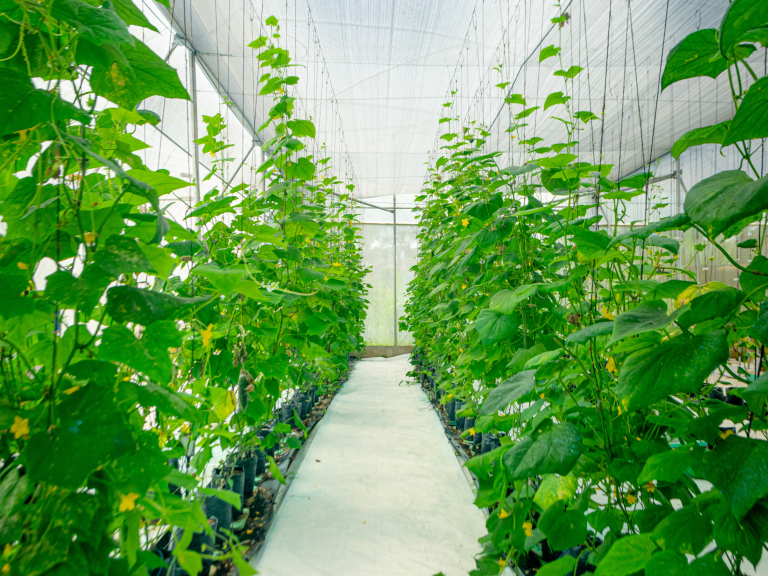
Established in 2008, the Smart Model Farm of Agusan del Sur State University (ADSSU) is a 0.81-hectare instructional and research facility that promotes smart agriculture, sustainable farming, and climate-resilient food production. Specializing in horticulture, it produces mushrooms, spices, and various vegetables while integrating automated irrigation, environmental sensors, and precision farming technologies to demonstrate modern and efficient agricultural practices.
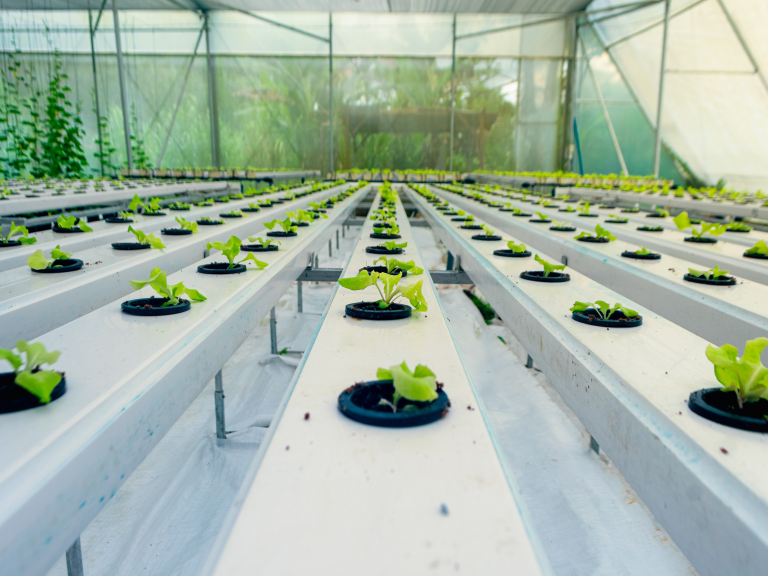
The facility features a Vegetable Processing Center and a Hydroponic Nursery, supported by essential agricultural and processing equipment for crop cultivation and post-harvest activities. It serves as a venue for research, extension, and experiential learning, providing students and stakeholders with hands-on training in digital agriculture and farm management.
In Fiscal Year 2025, the Smart Model Farm generated around ₱74,000 in gross revenue. Despite its income-generating capacity, the facility primarily functions as a research and instructional farm. Through this facility, ADSSU continues to advance agricultural innovation while preparing future professionals in climate-smart farming.
Activities:
- Fruit and Vegetable Picking
- Hydroponics Demonstration
- Manual Pollination


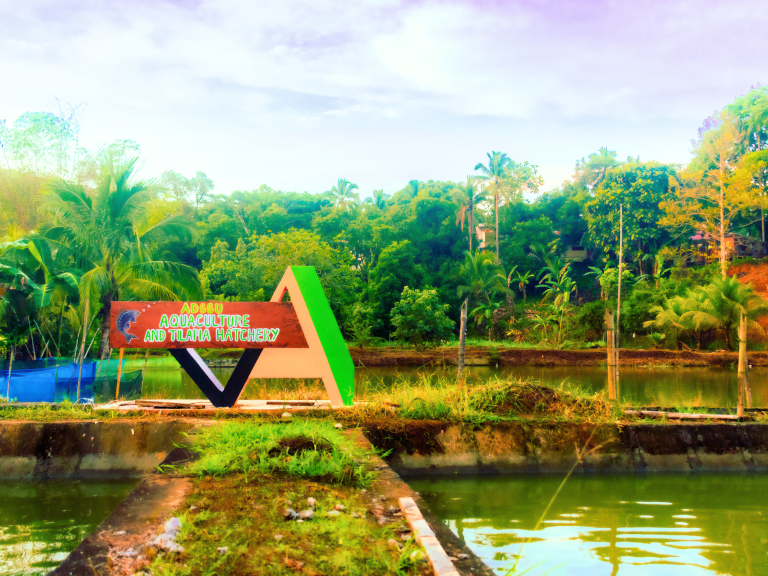
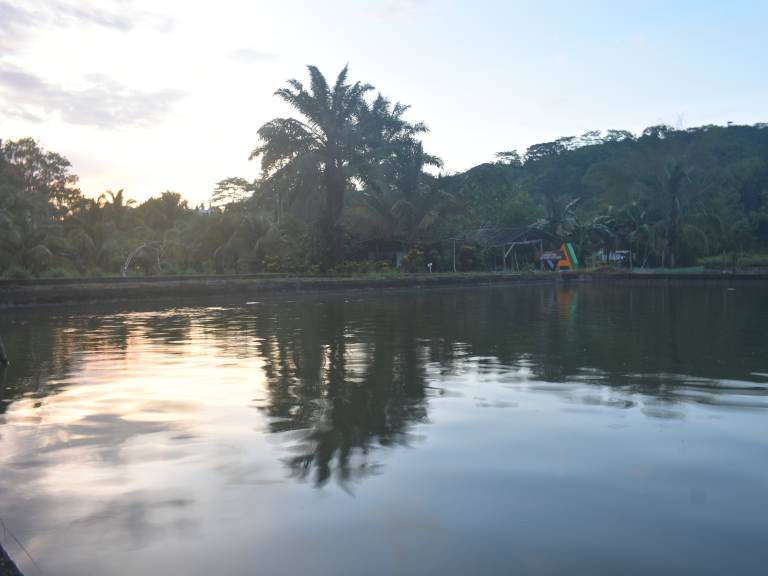
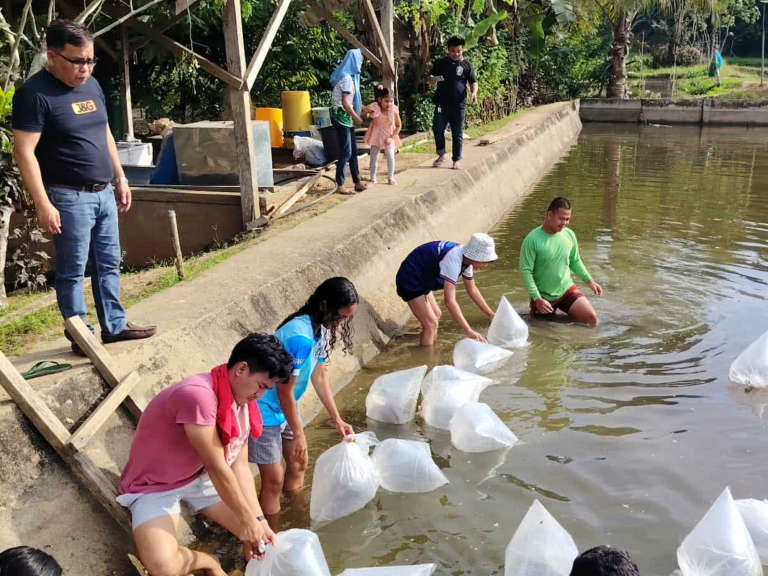
The Aquaculture and Fish Hatchery, established in 2013, is one of Agusan del Sur State University’s (ADSSU) instructional and production facilities dedicated to sustainable aquaculture and fisheries development. With a specialization in Agricultural Technology, it produces fresh tilapia and tilapia fingerlings while providing students with practical experience in hatchery operations, fish breeding, pond management, feeding, water quality monitoring, and harvesting.
Occupying a 1.69-hectare area, the facility consists of six grow-out ponds, five hatchery ponds, and six instructional ponds that support teaching, research, and extension activities. This integrated setup enables students to gain hands-on training throughout the entire aquaculture production process.
The facility generates an estimated annual revenue of ₱250,000 and continues the production of tilapia fingerlings through its partnership with the Department of Agriculture – Bureau of Fisheries and Aquatic Resources (DA-BFAR). By combining instruction, research, and production, the Aquaculture and Fish Hatchery strengthens ADSSU’s efforts to promote sustainable fisheries, food security, and community development.
Activities:
- Fishing
- Fish Feeding

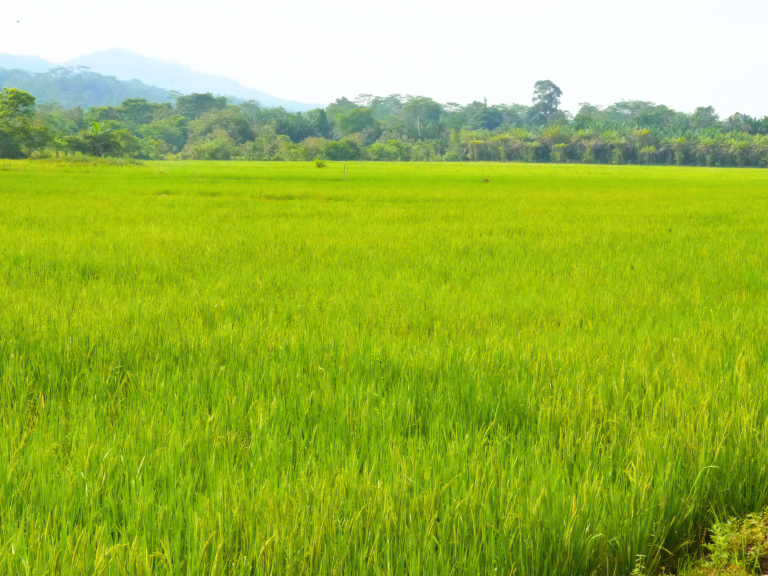
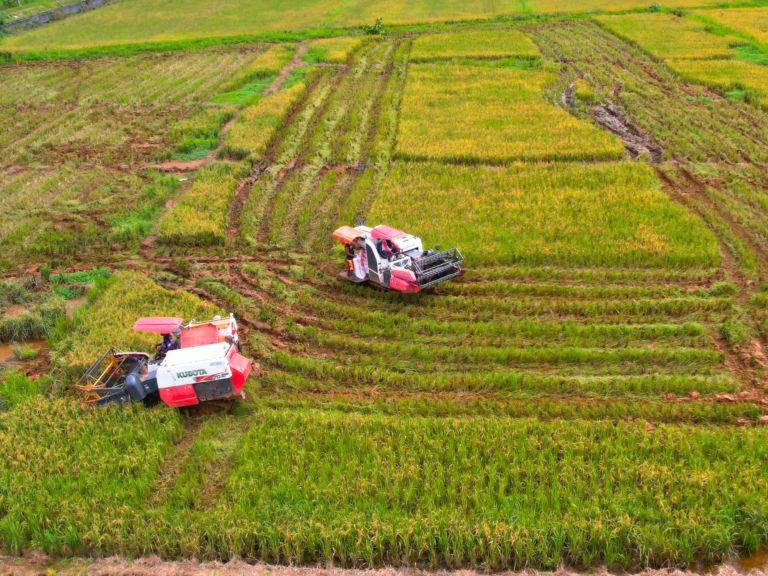
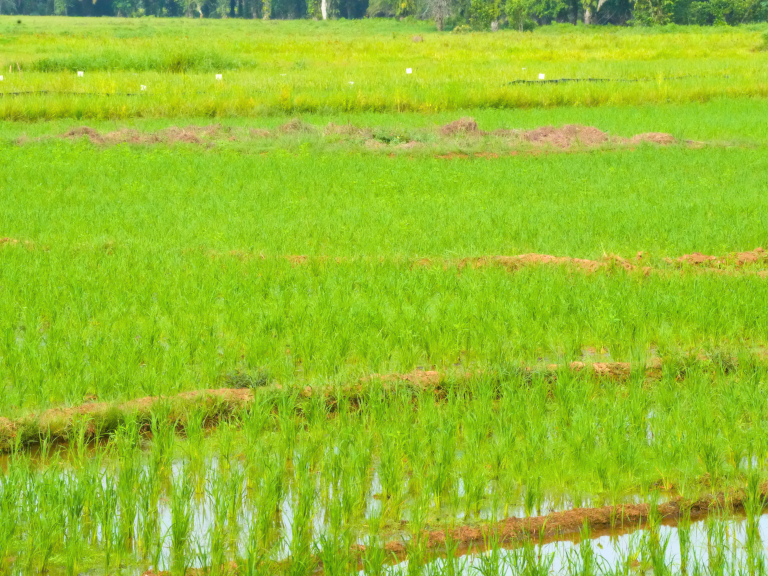
The Rice Production Area, established in 2008, is one of Agusan del Sur State University’s (ADSSU) key agricultural production facilities that integrates instruction, research, extension, and enterprise. Designed to provide experiential learning, it enables students to develop practical skills in rice cultivation while supporting the University’s commitment to sustainable agriculture and food security.
Specializing in Agricultural Technology, the facility produces fresh palay and milled rice. It spans a total area of 31.85 hectares, with 12 hectares currently utilized for rice production as of 2026. Students participate in various farming activities, including land preparation, crop establishment, irrigation, pest management, harvesting, and post-harvest operations using farm equipment such as a mudboat tiller, thresher, water pump, and knapsack sprayer.
In addition to its educational role, the Rice Production Area contributes to the University’s resource generation program, generating an estimated annual revenue of ₱560,000. It also serves as a demonstration site for improved rice production technologies and sustainable farming practices, benefiting students, researchers, and local farming communities.
Activities:
- Tractor Ride Experience
- Harvester Ride Experience
- Rice Planting
- Rice Harvesting

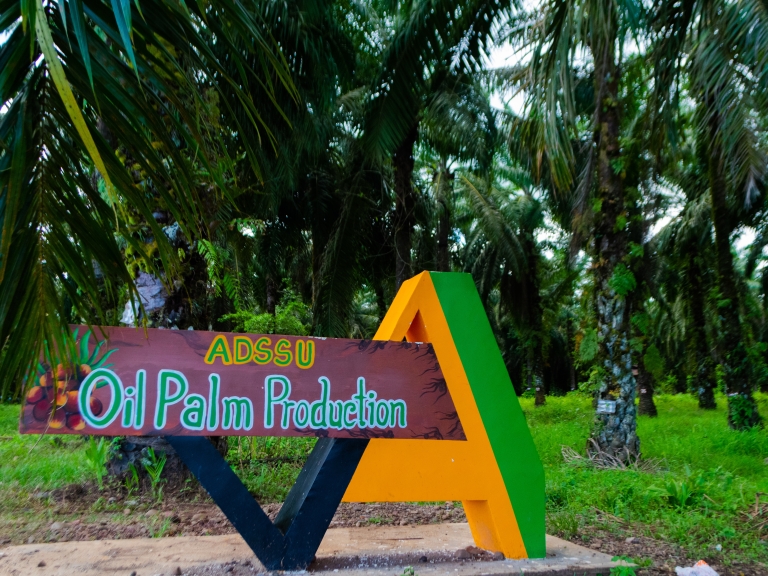
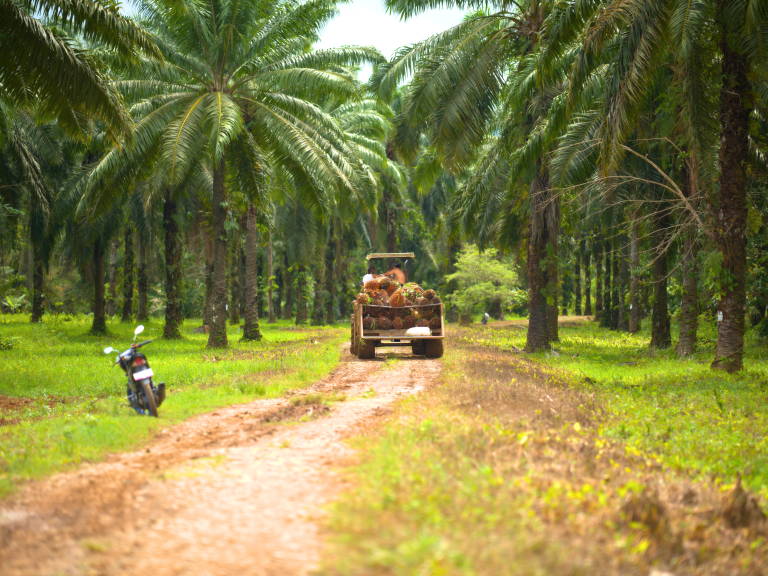
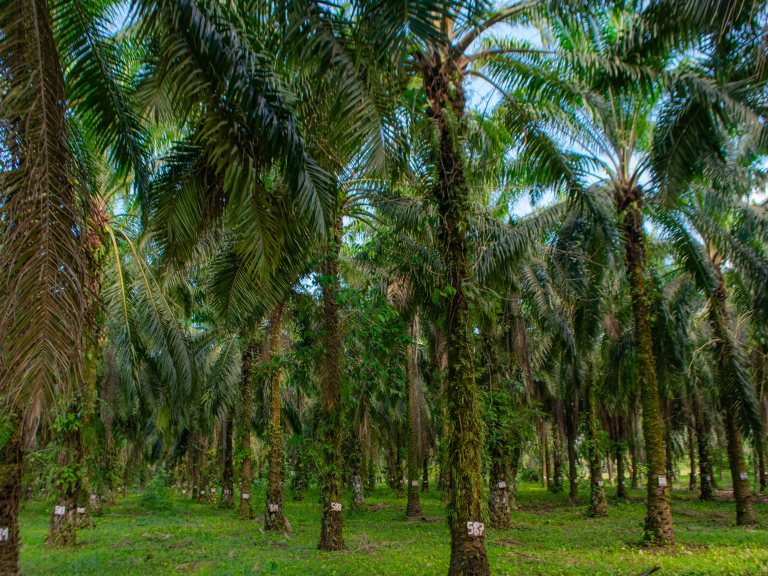
The Oil Palm Production Area is among Agusan del Sur State University’s (ADSSU) largest agricultural production facilities, supporting the University’s mission of advancing sustainable agriculture, experiential learning, and agribusiness development. Established in 1999, the plantation serves as both an instructional farm and an income-generating enterprise, providing students with practical exposure to commercial oil palm production.
Specializing in Agricultural Technology, the facility produces oil palm fresh fruit bunches (FFBs) across a 57.89-hectare plantation, of which 55 hectares are cultivated with approximately 5,590 oil palm trees. The plantation was developed in three phases: 25 hectares in 1999, 15 hectares in 2000, and 15 hectares in 2007, reflecting the University’s continued investment in plantation agriculture.
Students gain hands-on experience in plantation establishment, crop maintenance, harvesting, and farm management while participating in research, extension, and technology demonstration activities. Daily operations are supported by essential farm equipment, including sprayers, aluminum harvesting poles, harvesting baskets, and scythes.
The plantation generates an estimated annual revenue of ₱3,000,000, making it one of ADSSU’s primary resource-generating enterprises. Oil palm production follows a seasonal cycle, with the lean season (sandaw) occurring from April to August and the peak production season from September to March, when harvesting reaches its highest yield.
Activity:
- Picture taking

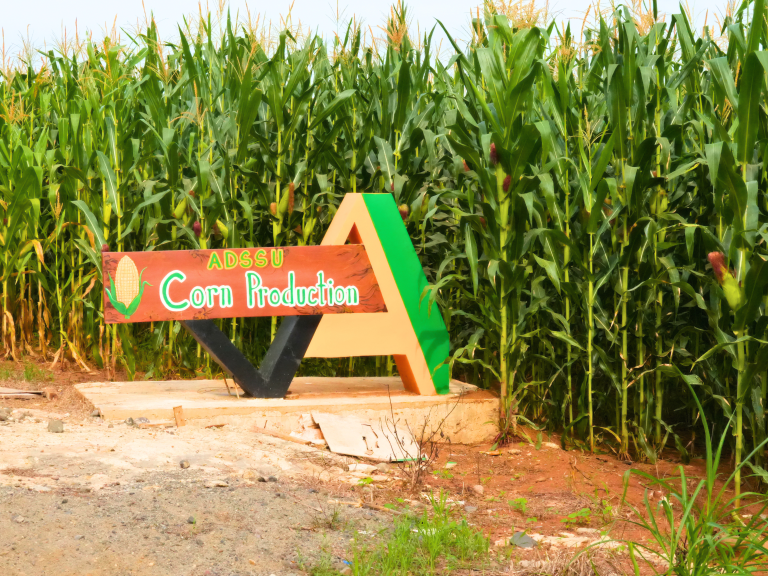
At Agusan del Sur State University (ADSSU), the Corn Production Area serves as both a productive farm and an educational facility where students gain firsthand experience in modern corn cultivation. Since 1998, it has supported the University’s instruction, research, extension, and resource generation initiatives while promoting efficient and sustainable agricultural practices.
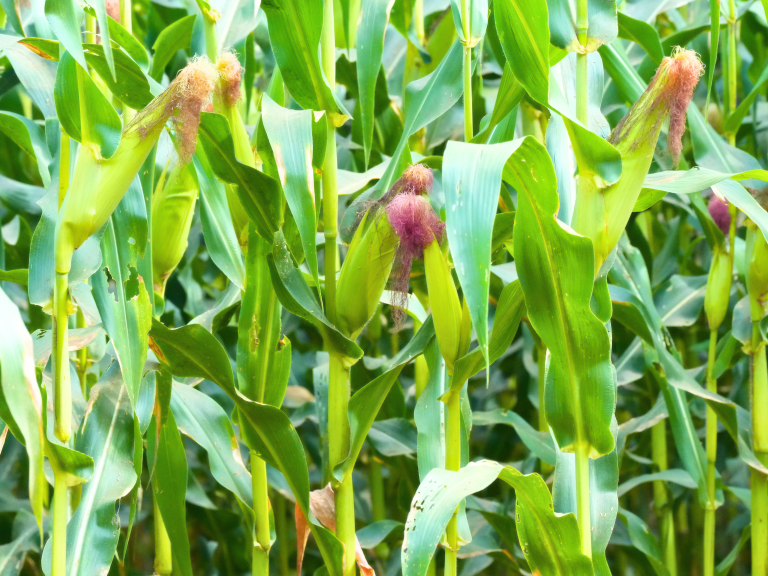
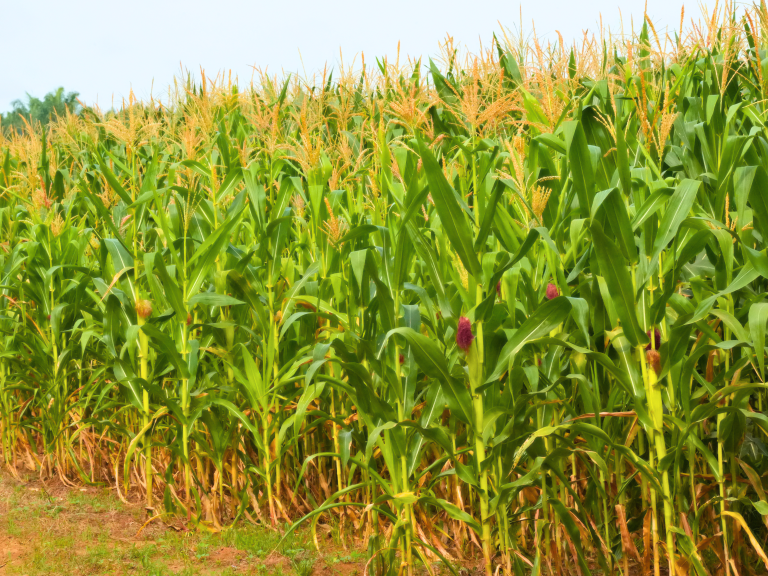
The facility specializes in Agricultural Technology, producing hybrid yellow corn on an 11-hectare site. Of this area, 8 hectares are allocated for commercial production, while the remaining land is reserved for instructional activities, undergraduate research, and thesis projects. This arrangement allows students to engage in practical learning while supporting ongoing research and technology demonstration.
From land preparation and planting to crop management, harvesting, and post-harvest operations, students participate in every stage of the production cycle, developing technical skills that prepare them for careers in the agricultural sector. The facility also serves as a venue for showcasing improved farming technologies and best management practices to farmers and other stakeholders.
Through the production and sale of hybrid yellow corn, the Corn Production Area generates an estimated annual revenue of ₱900,000, contributing to the University’s agricultural enterprise while reinforcing its commitment to innovation, food and feed security, and sustainable crop production.
Activities:
- Corn Planting
- Corn Harvesting


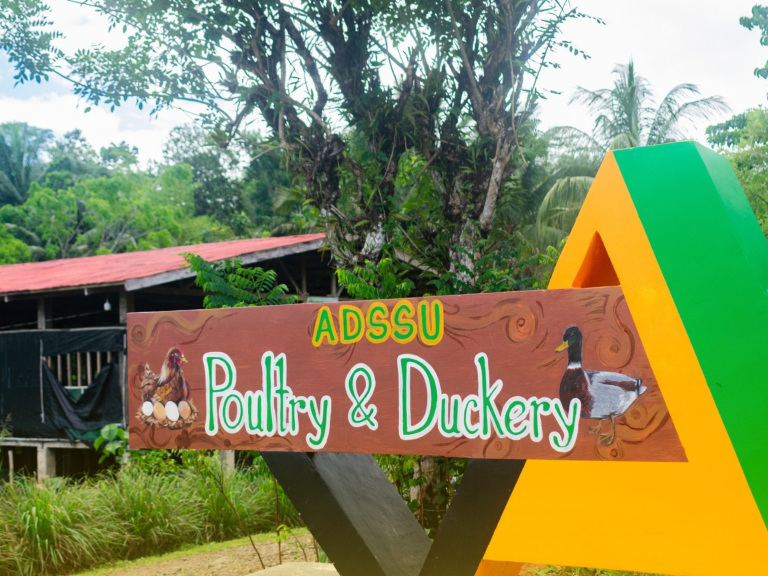
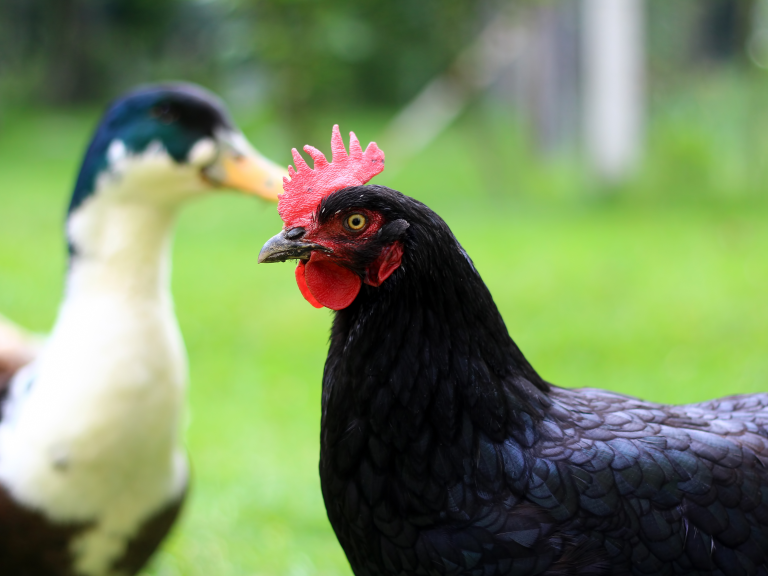
The Poultry and Duck Production Facilities of Agusan del Sur State University (ADSSU) serve as centers for learning, innovation, and sustainable livestock production. Established in 2010, they provide students with hands-on training in poultry and duck farming while supporting the University’s instruction, research, extension, and resource generation programs.
The 0.48-hectare facilities produce native chickens, layer chicken eggs, and duck eggs (Itik Pinas). Students gain practical experience in brooding, feeding management, egg production, flock health monitoring, disease prevention, housing management, and other essential farm operations.
The facilities include a layer house, native chicken house, duck house, storage building, and footbath to ensure efficient production and proper biosecurity. These provide an ideal environment for applying best practices in animal care and farm sanitation.
As part of ADSSU’s income-generating initiatives, the poultry enterprise generates an estimated annual revenue of ₱560,000, while the duck production unit contributes approximately ₱20,000, demonstrating how agricultural production complements education through real-world farm and business management.
More than production facilities, they reflect ADSSU’s commitment to developing competent agricultural professionals with practical knowledge, technical skills, and an appreciation for sustainable livestock farming, innovation, responsible animal husbandry, and food security.
Activities:
- Egg Collection
- Chicken Feeding
- Duck Feeding

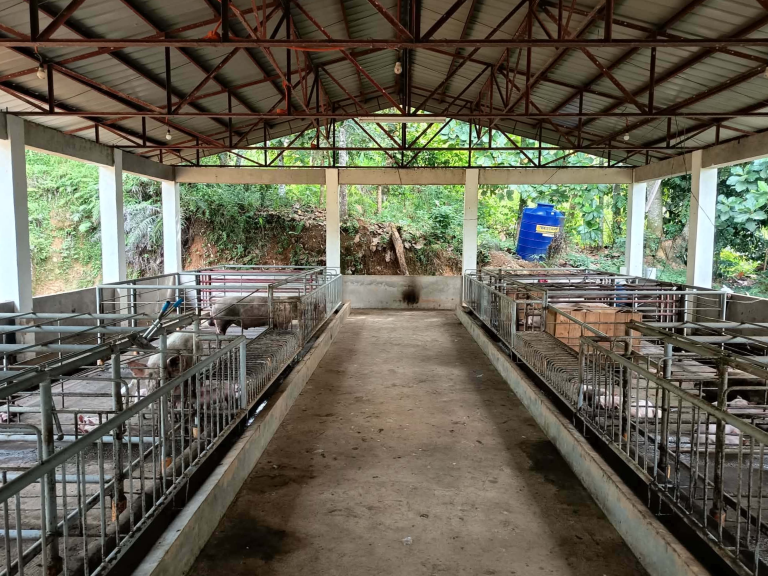
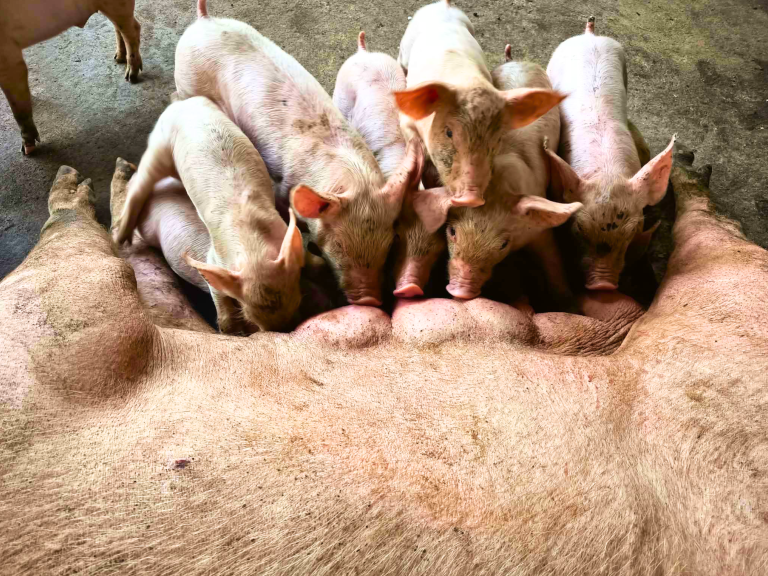
The Swine Production Facility is one of Agusan del Sur State University’s (ADSSU) livestock production enterprises that combines instruction, research, extension, and resource generation in a real-world farm setting. Since its establishment in 1994, the facility has provided students with practical learning experiences while promoting sustainable and responsible swine production.
Specializing in Agricultural Technology, the facility focuses on the production of weanlings and fatteners and operates on a 0.44-hectare site with a five-sow-level production system. Students actively participate in various stages of swine production, including breeding, farrowing, feeding, herd management, biosecurity, and animal health, allowing them to develop technical skills essential to the livestock industry.
To support efficient farm operations, the facility is equipped with breeding pens, farrowing pens, growing pens, a storage building, a staff house, and a footbath, ensuring proper animal care and farm sanitation. These facilities also provide an ideal environment for research, technology demonstration, and extension activities.
The Swine Production Facility generates an estimated annual revenue of ₱150,000 through the production of quality weanlings and fatteners. More than an income-generating enterprise, it serves as a practical training ground that prepares students with the knowledge, skills, and experience needed for careers in modern livestock production.
Activity:
- Pig Feeding
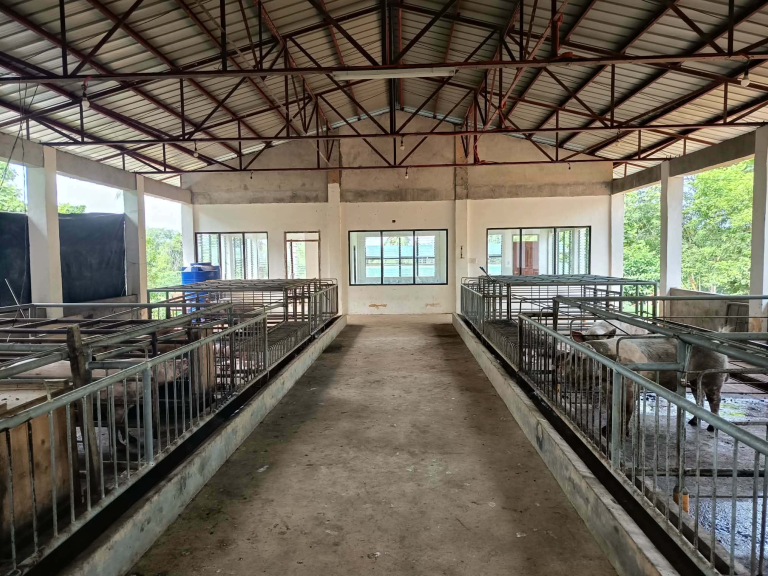

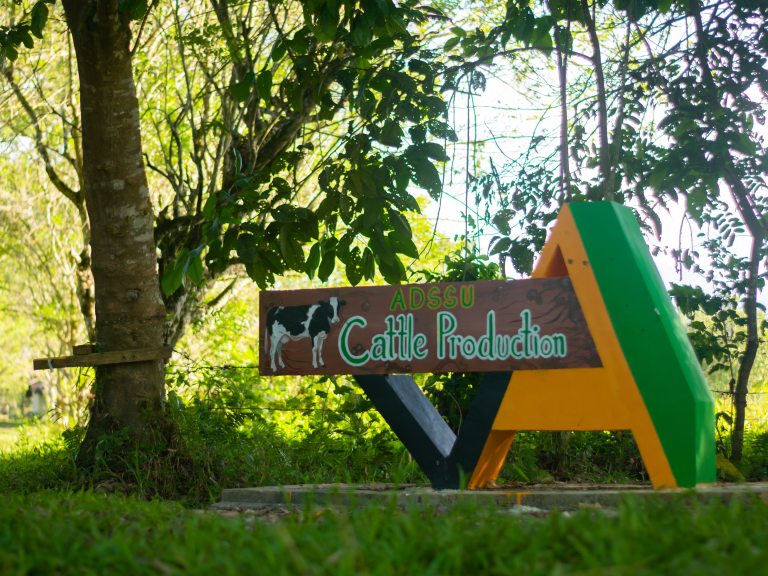
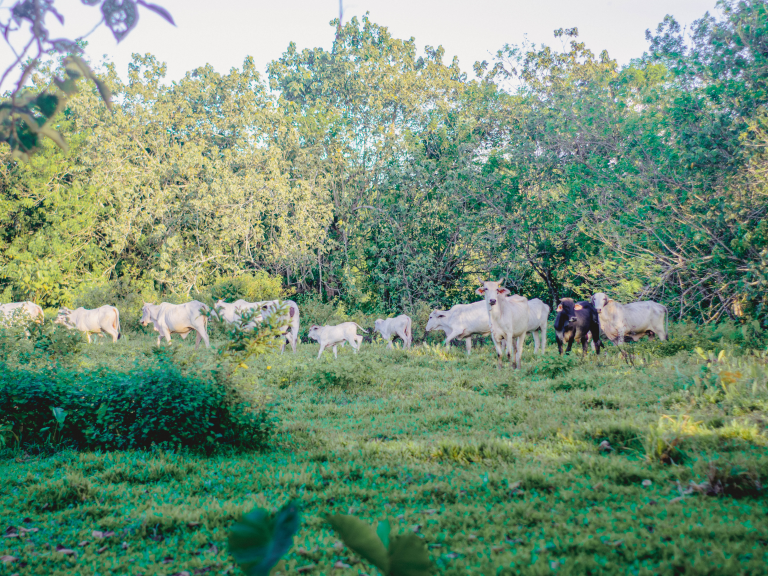
The University Cattle Production Facility of Agusan del Sur State University (ADSSU) serves as a center for practical learning in livestock production, sustainable pasture management, and responsible animal husbandry. Established in 1997, it provides students with hands-on experience while supporting the University’s instruction, research, extension, and resource generation programs.
Specializing in Animal Science, the facility manages cattle, goats, and sheep on an 11.11-hectare pasture divided into two grazing paddocks for rotational grazing, promoting healthy pasture conditions, efficient forage utilization, and animal welfare.
Students develop practical skills in animal nutrition, breeding, pasture management, health care, animal handling, and farm record keeping. The facility also supports research, field demonstrations, and extension programs that promote sustainable livestock production among farmers, students, and other stakeholders.
As part of ADSSU’s income-generating initiatives, the facility produces quality livestock and breeding stock, generating an estimated annual revenue of ₱60,000 while demonstrating the role of sustainable livestock management in supporting food security, agricultural productivity, and rural development.
More than a production facility, the University Cattle Production Facility reflects ADSSU’s commitment to developing competent animal science professionals through practical learning, innovation, sustainability, and community engagement in the livestock industry.
Activity:
- Picture taking

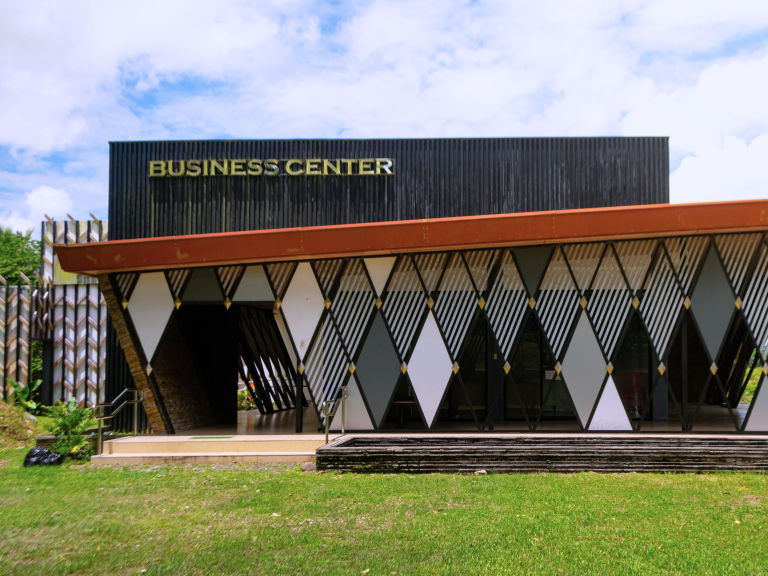
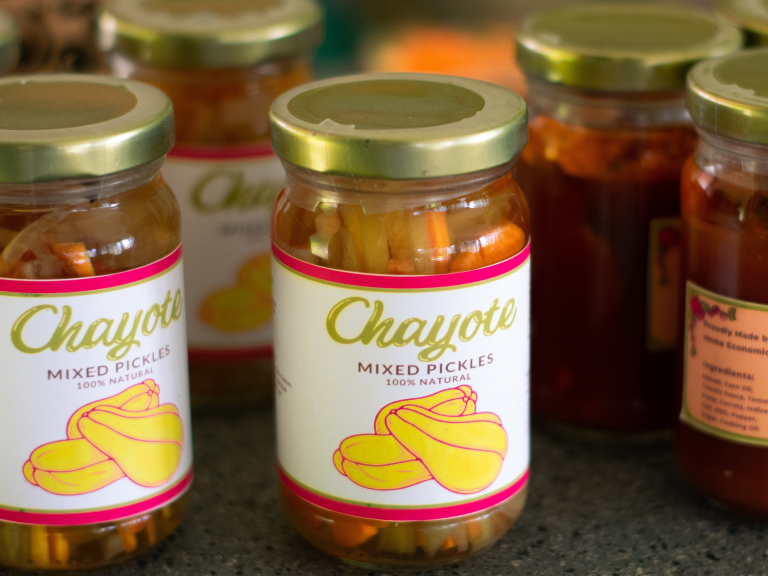
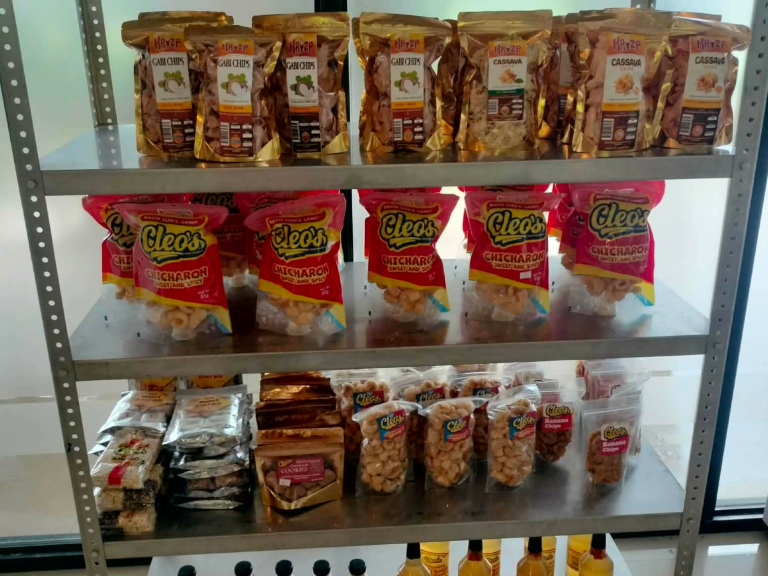
The University Business Center serves as a hub for entrepreneurship, innovation, and enterprise development. More than a commercial facility, it provides students with hands-on experience in business management, marketing, customer service, and financial operations. Through its products, services, and income-generating projects, the center supports institutional programs while promoting practical learning, creativity, and an entrepreneurial mindset.
Activity:
- Product and Souvenir Shopping