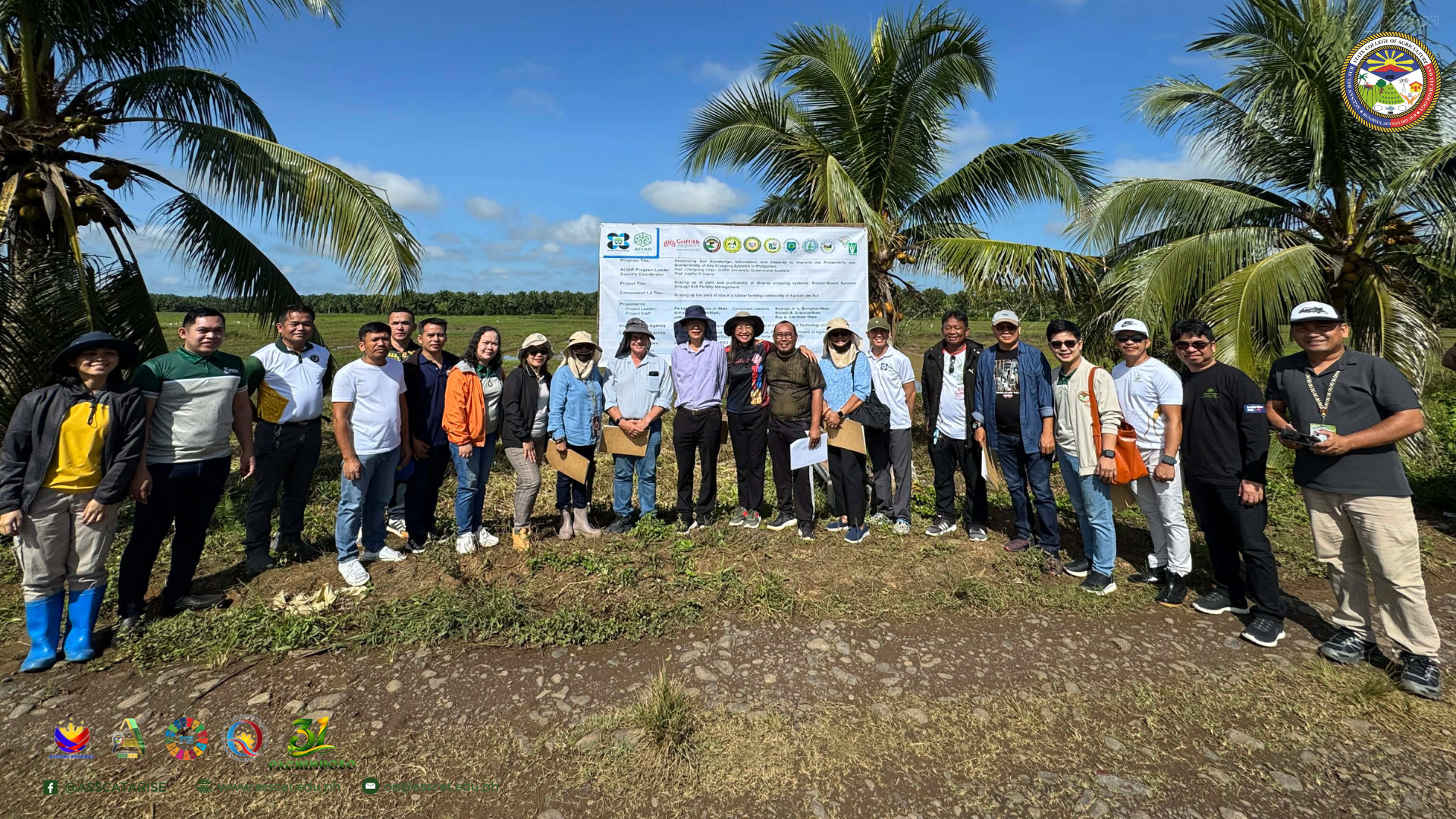
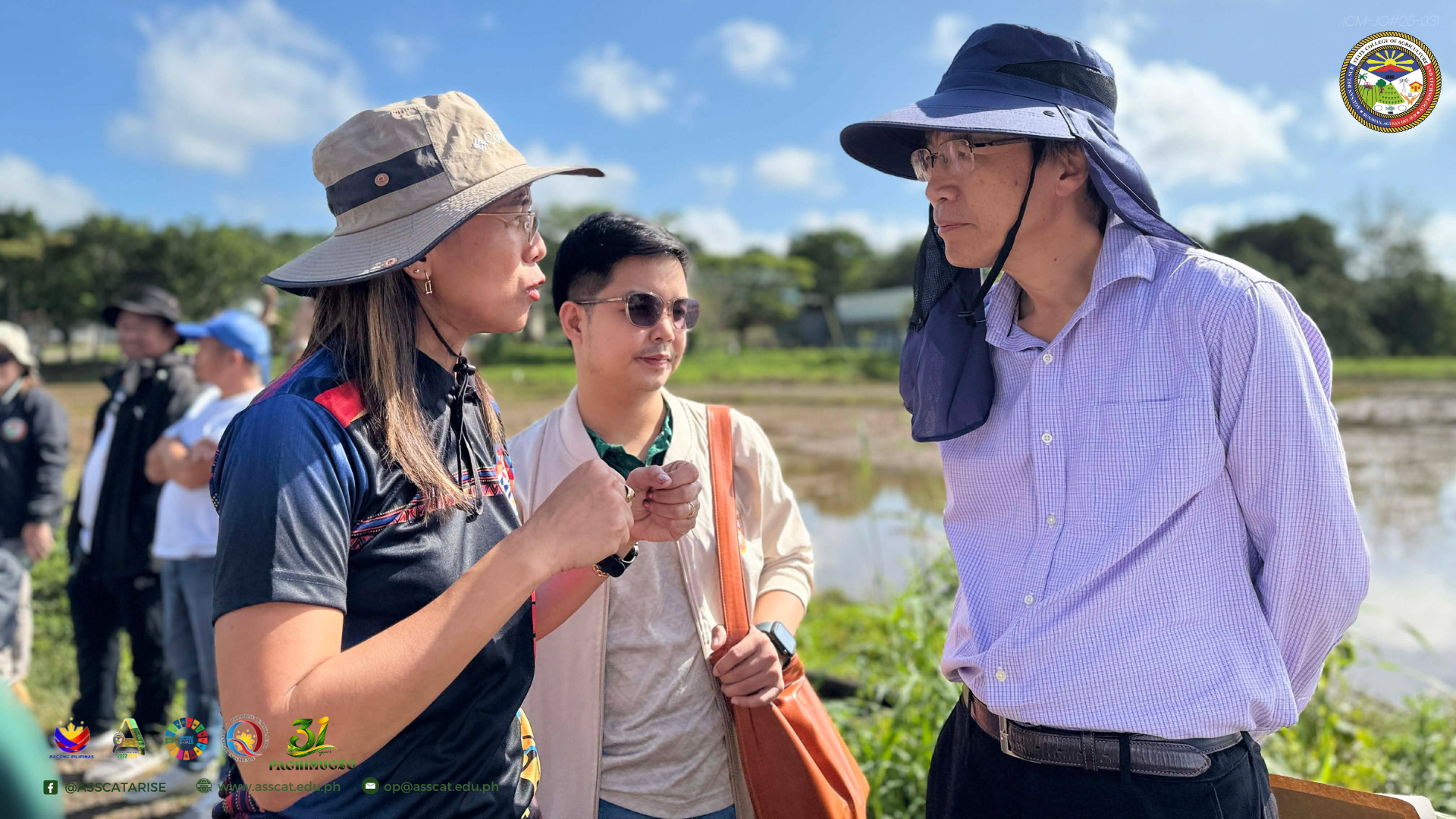
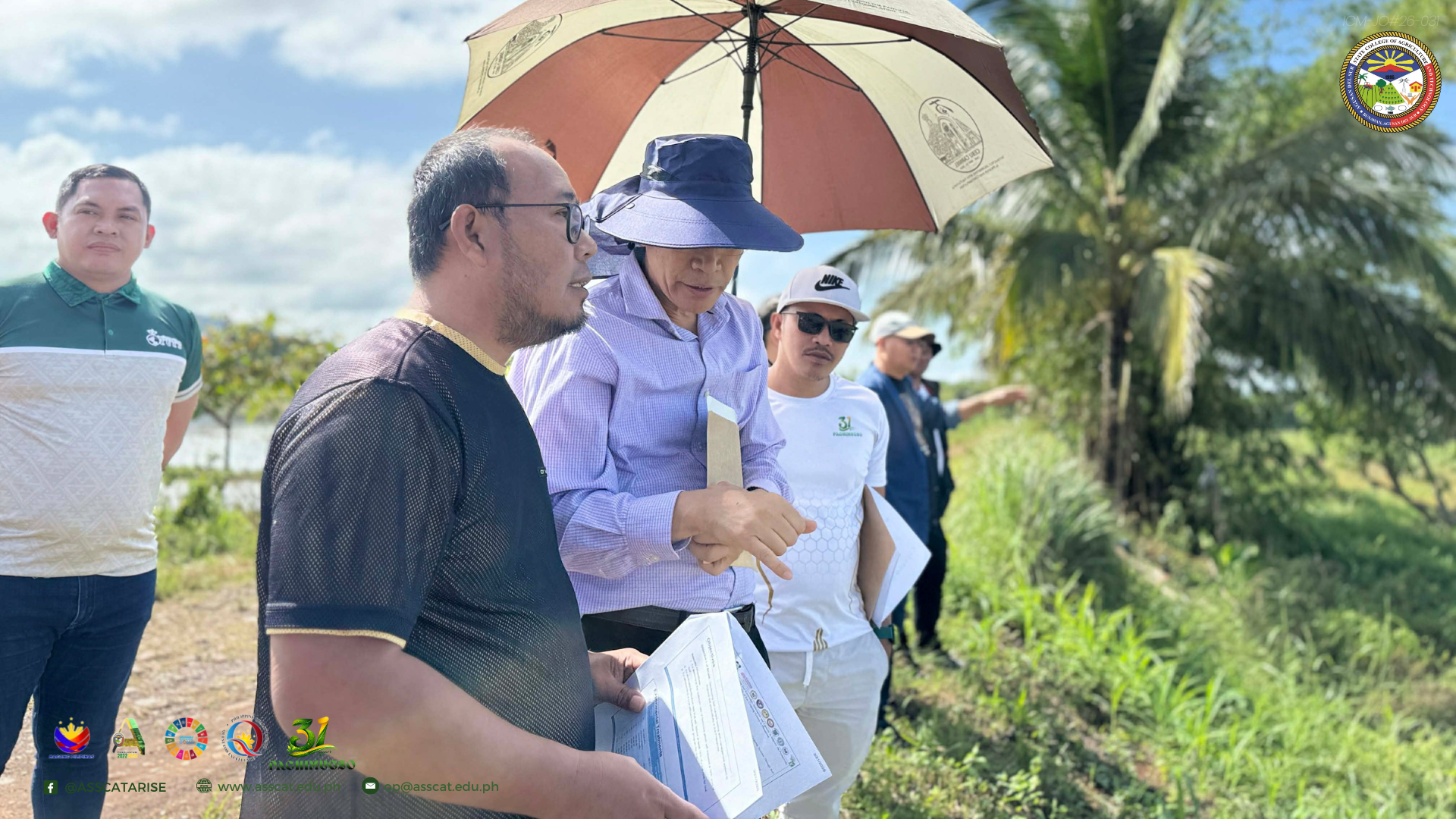
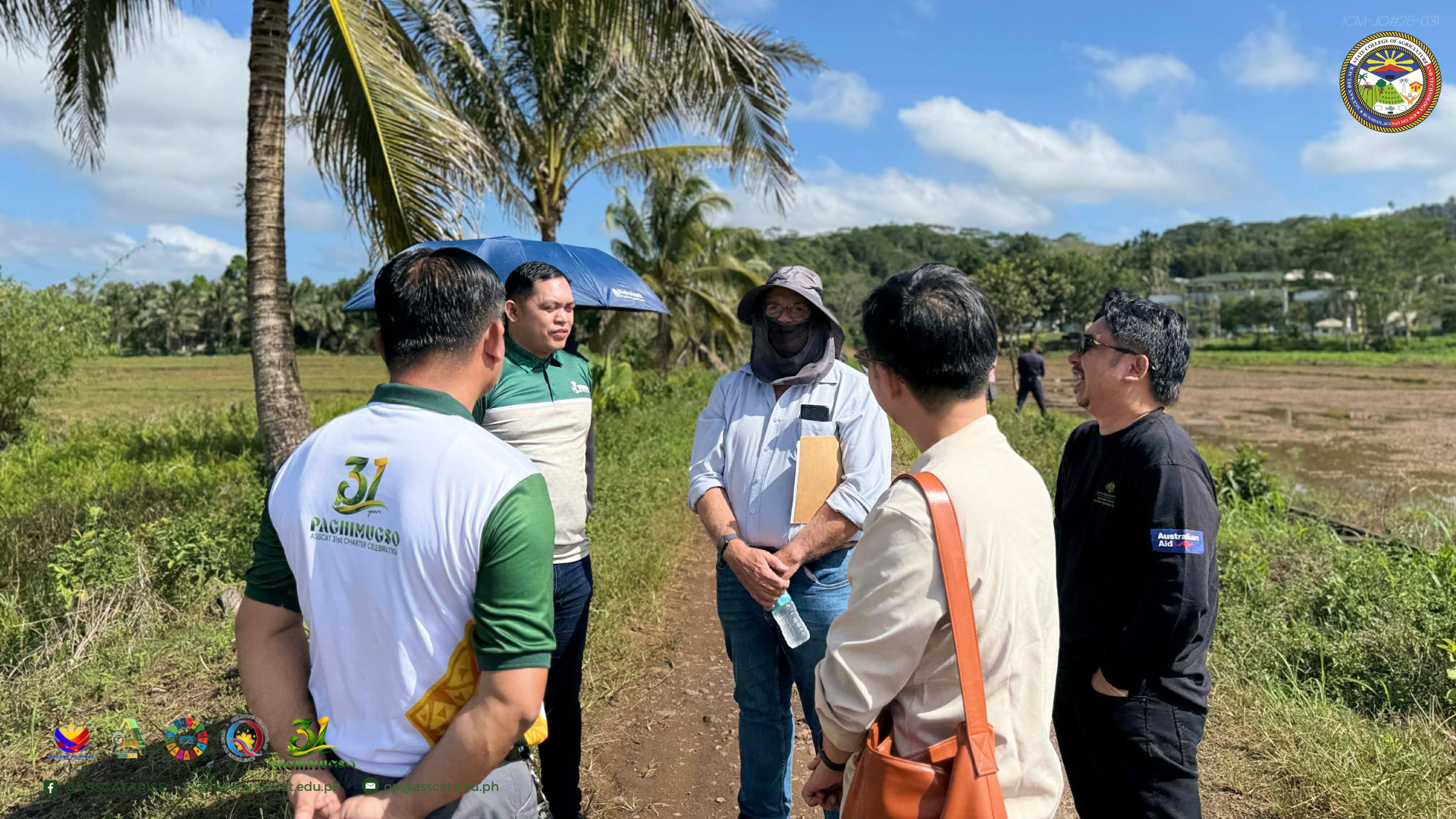
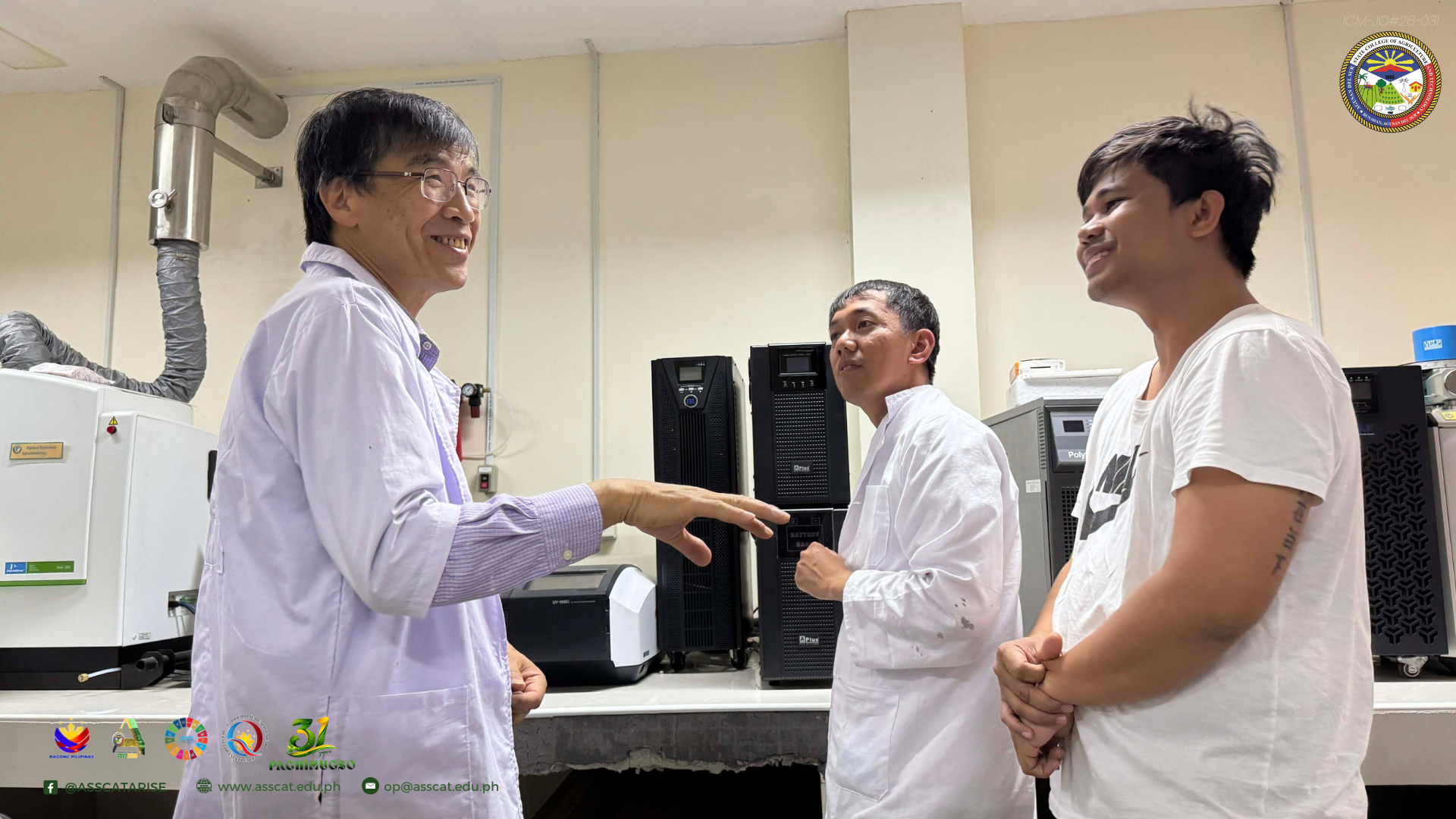
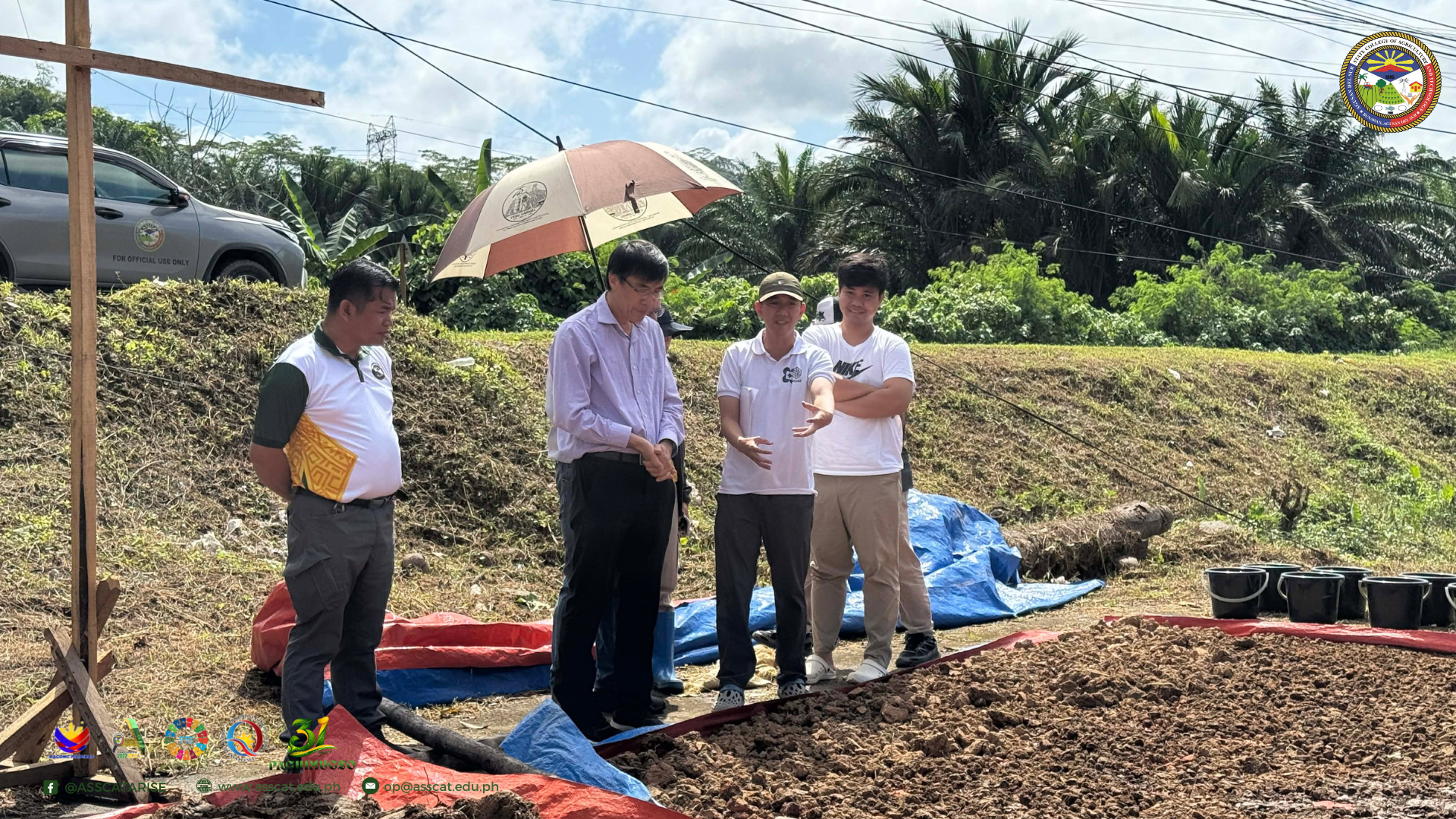
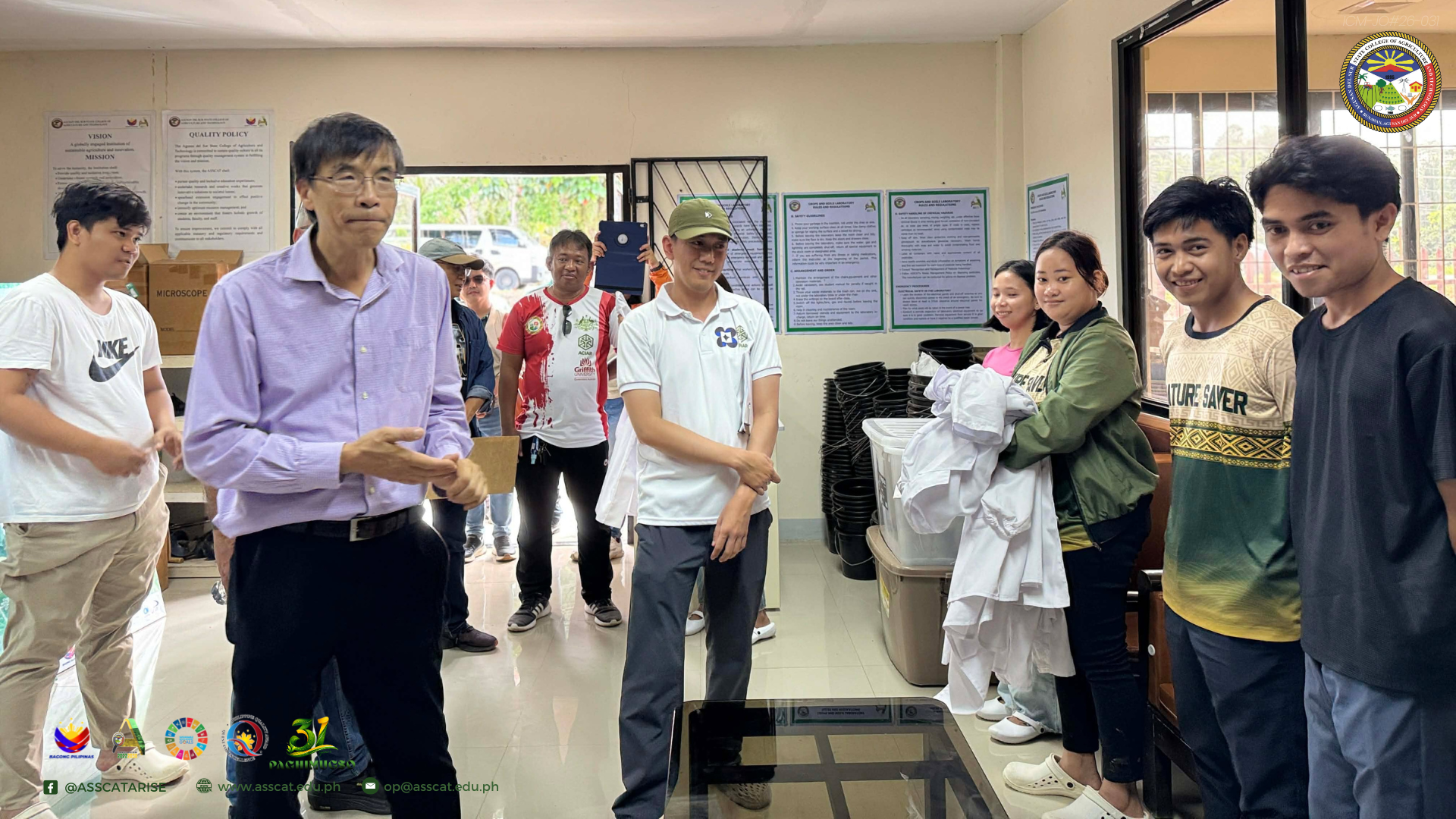
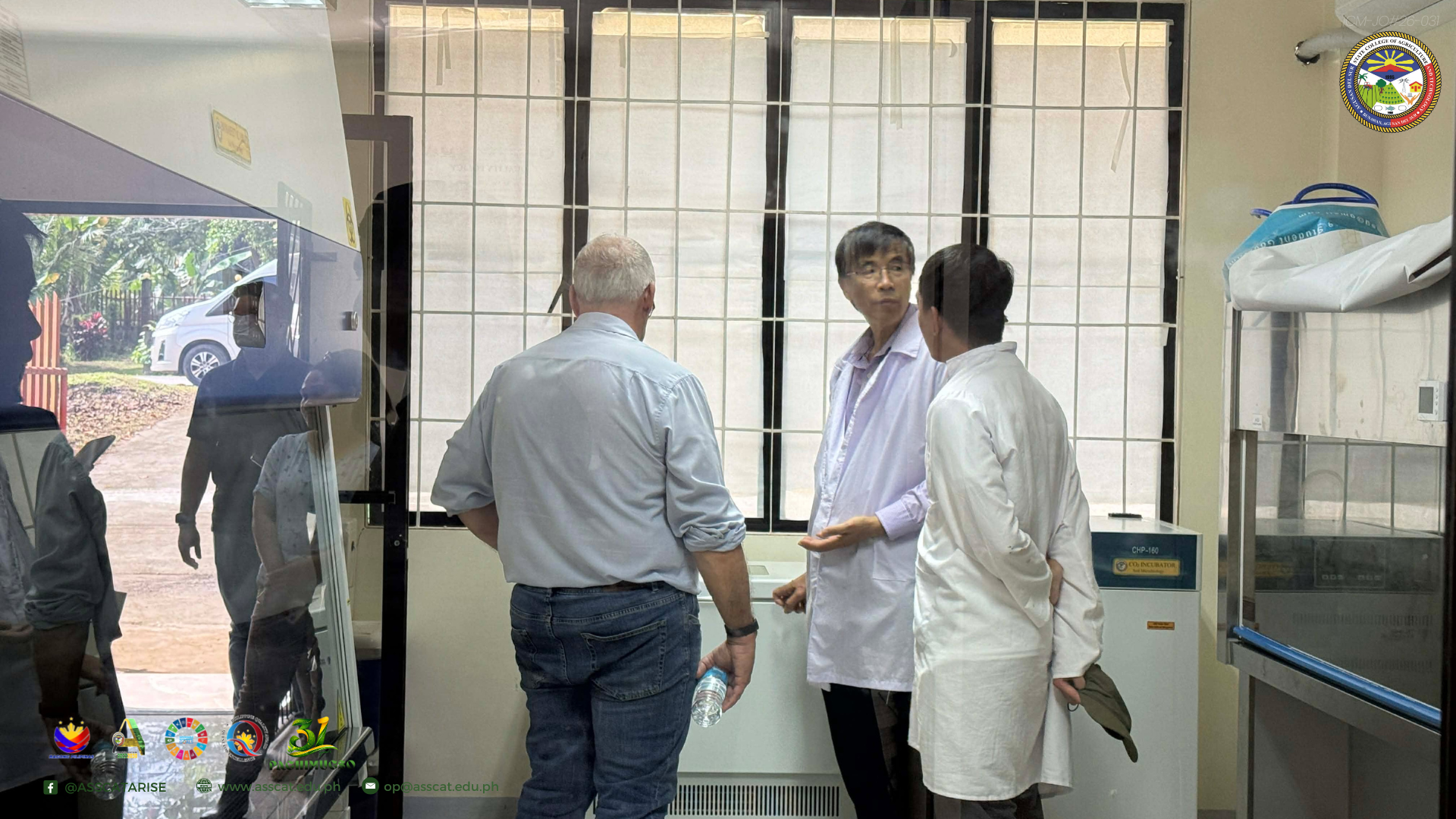
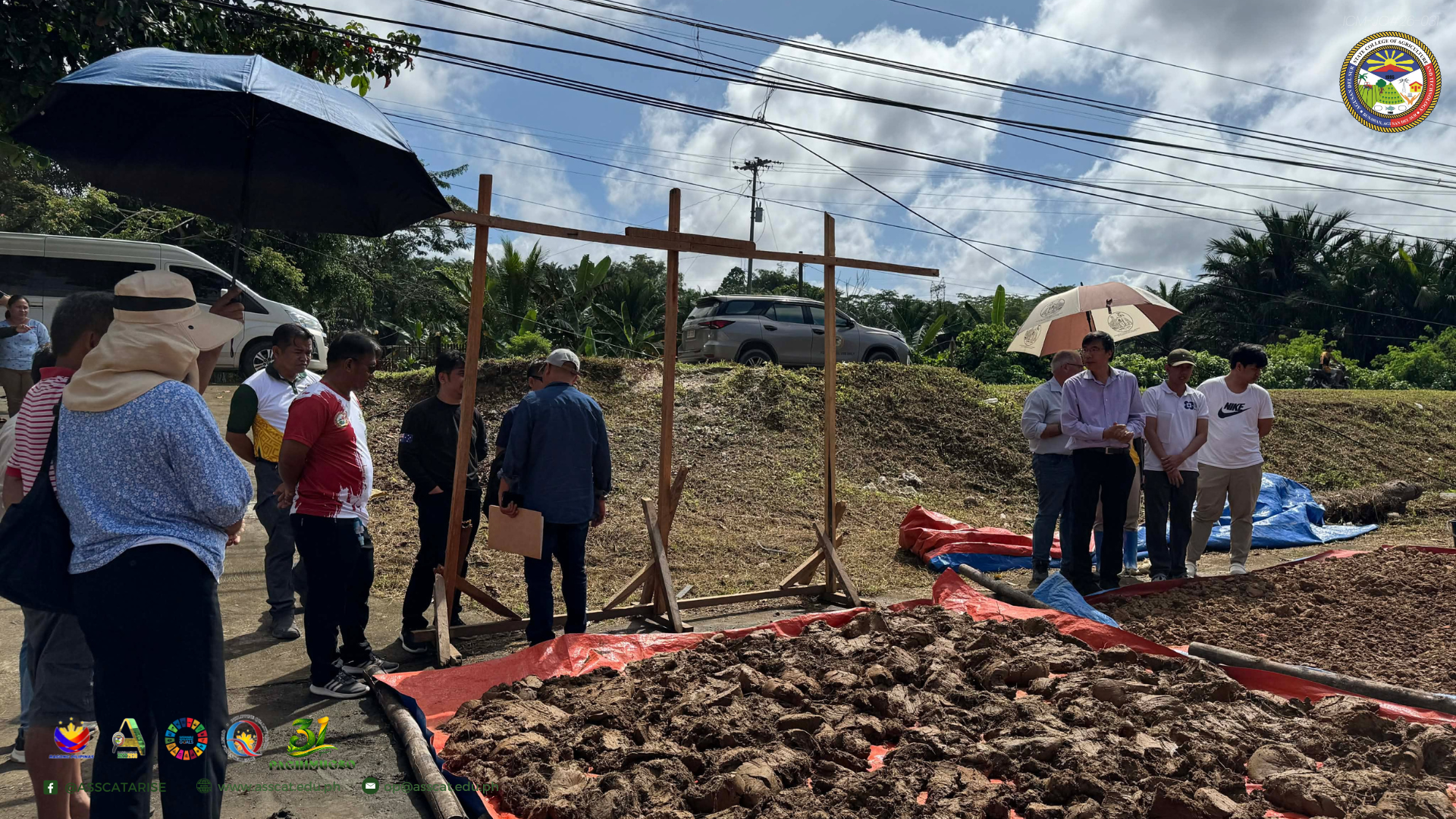
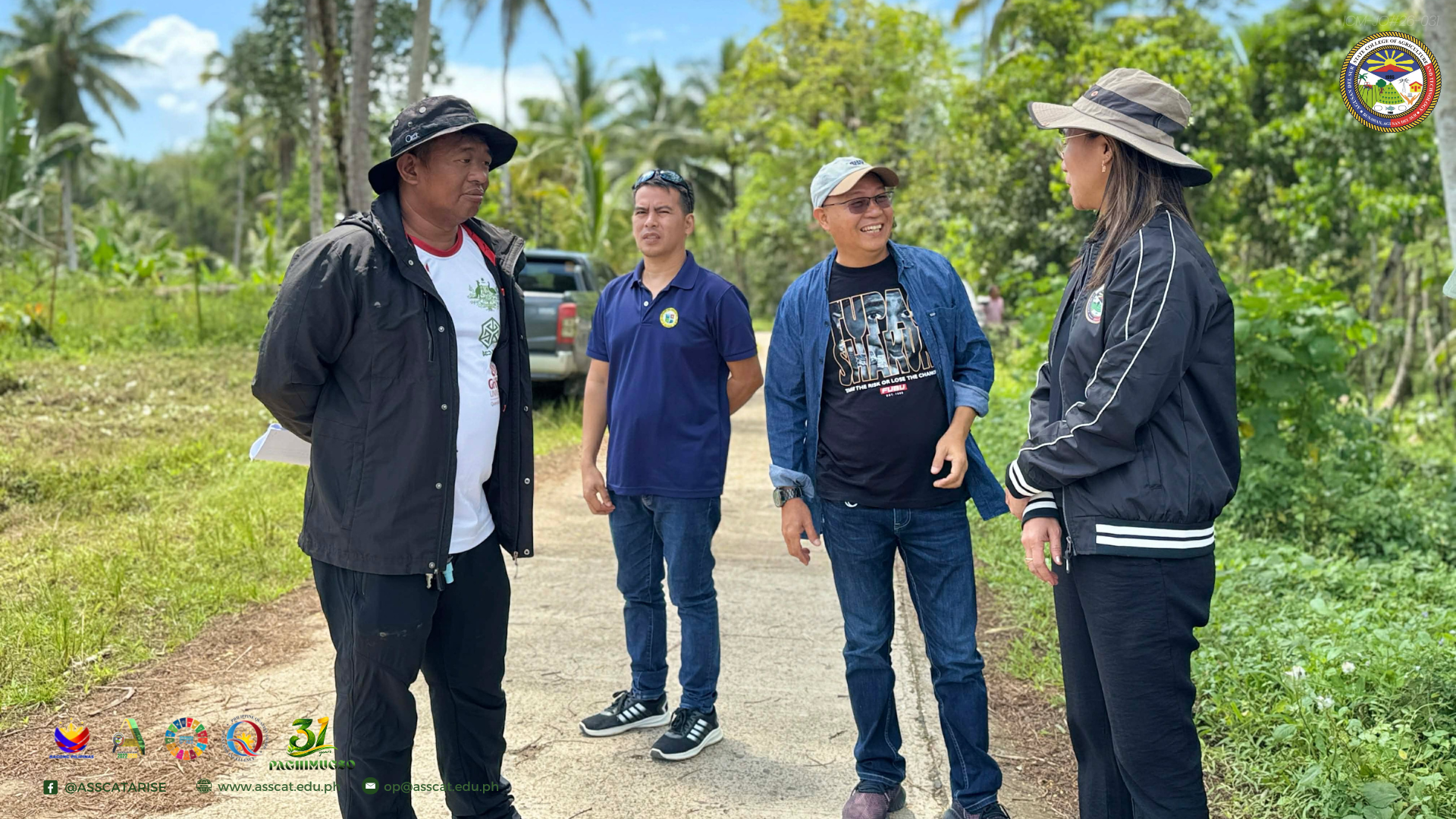
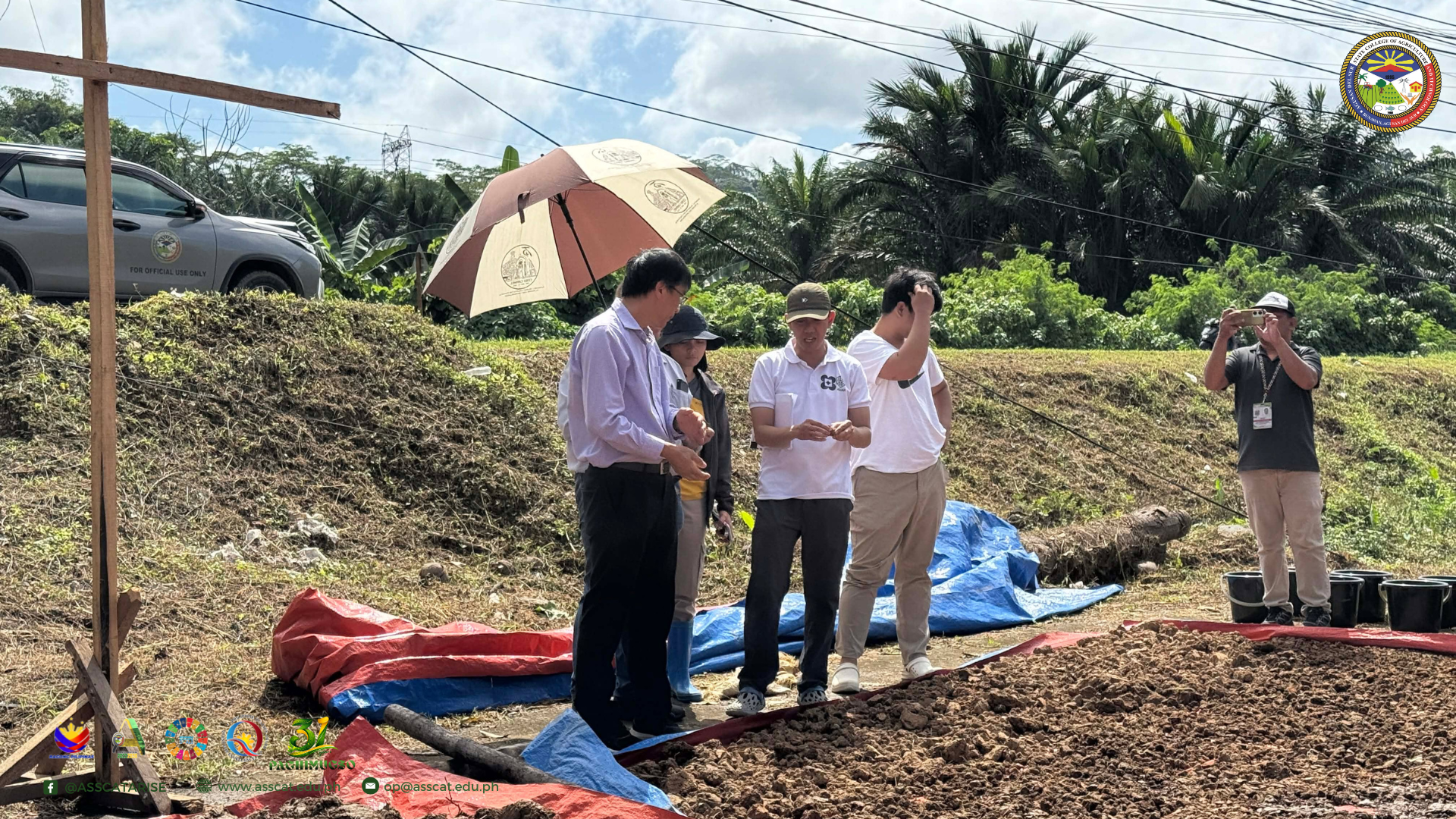
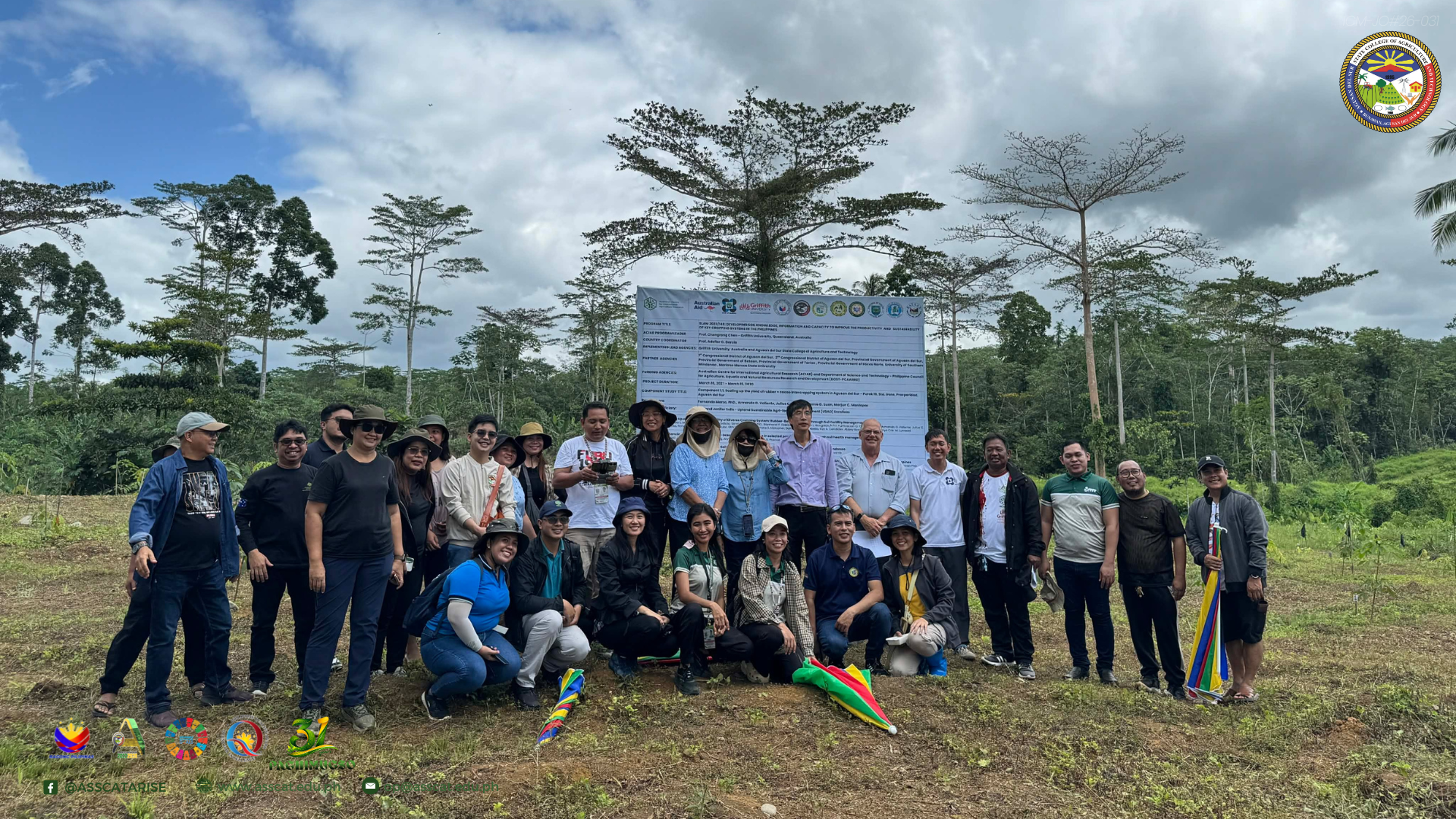
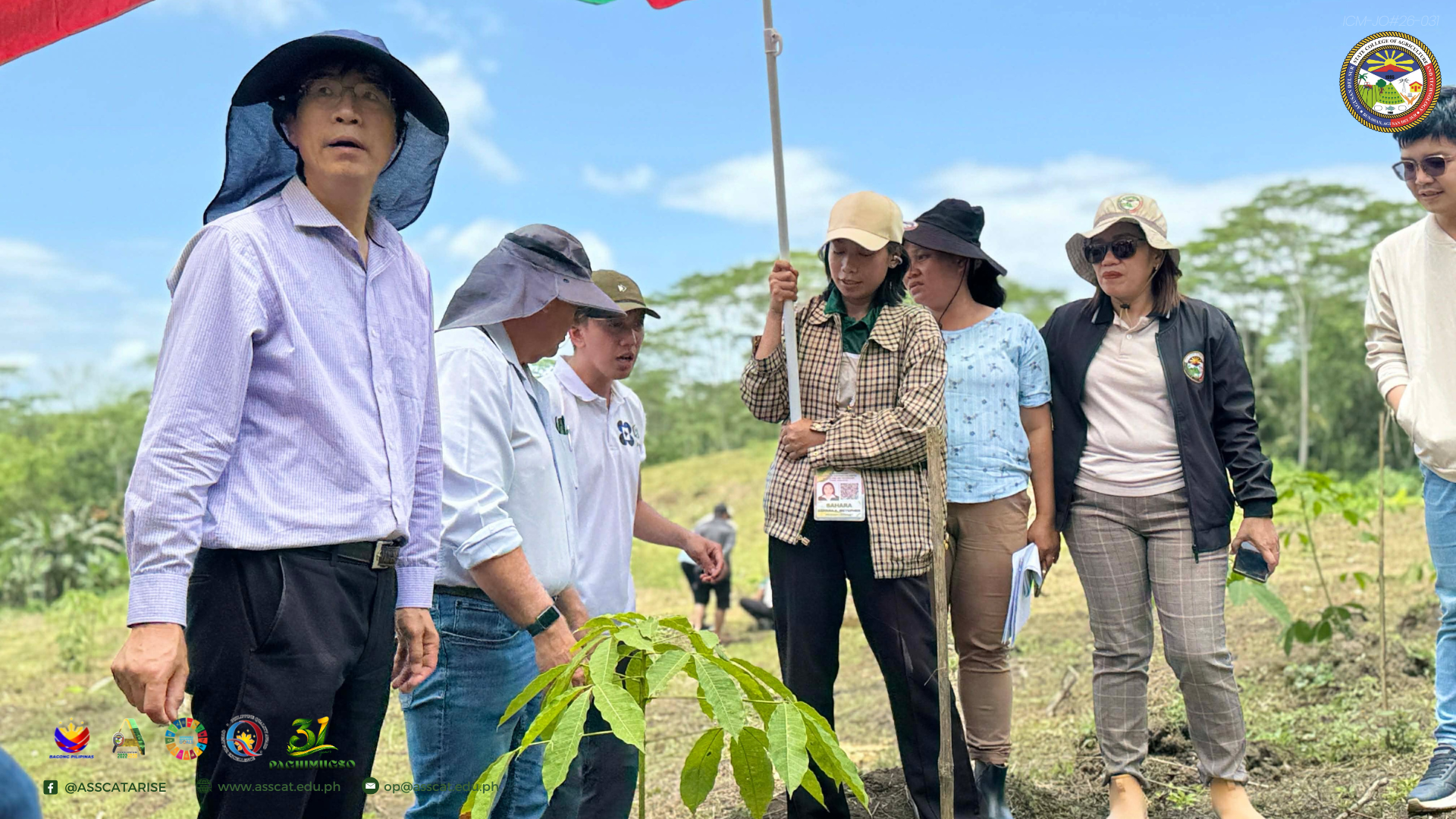
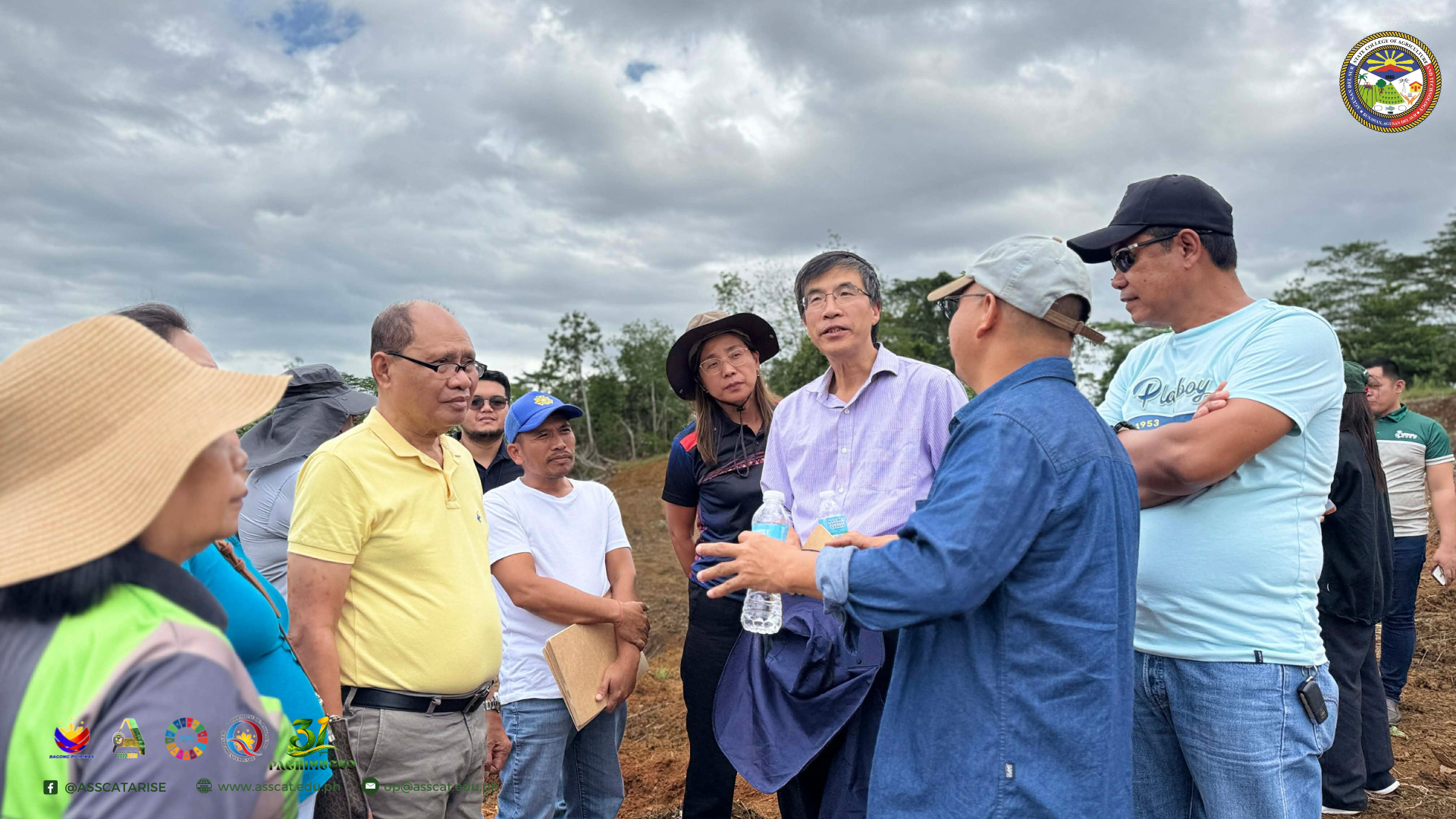
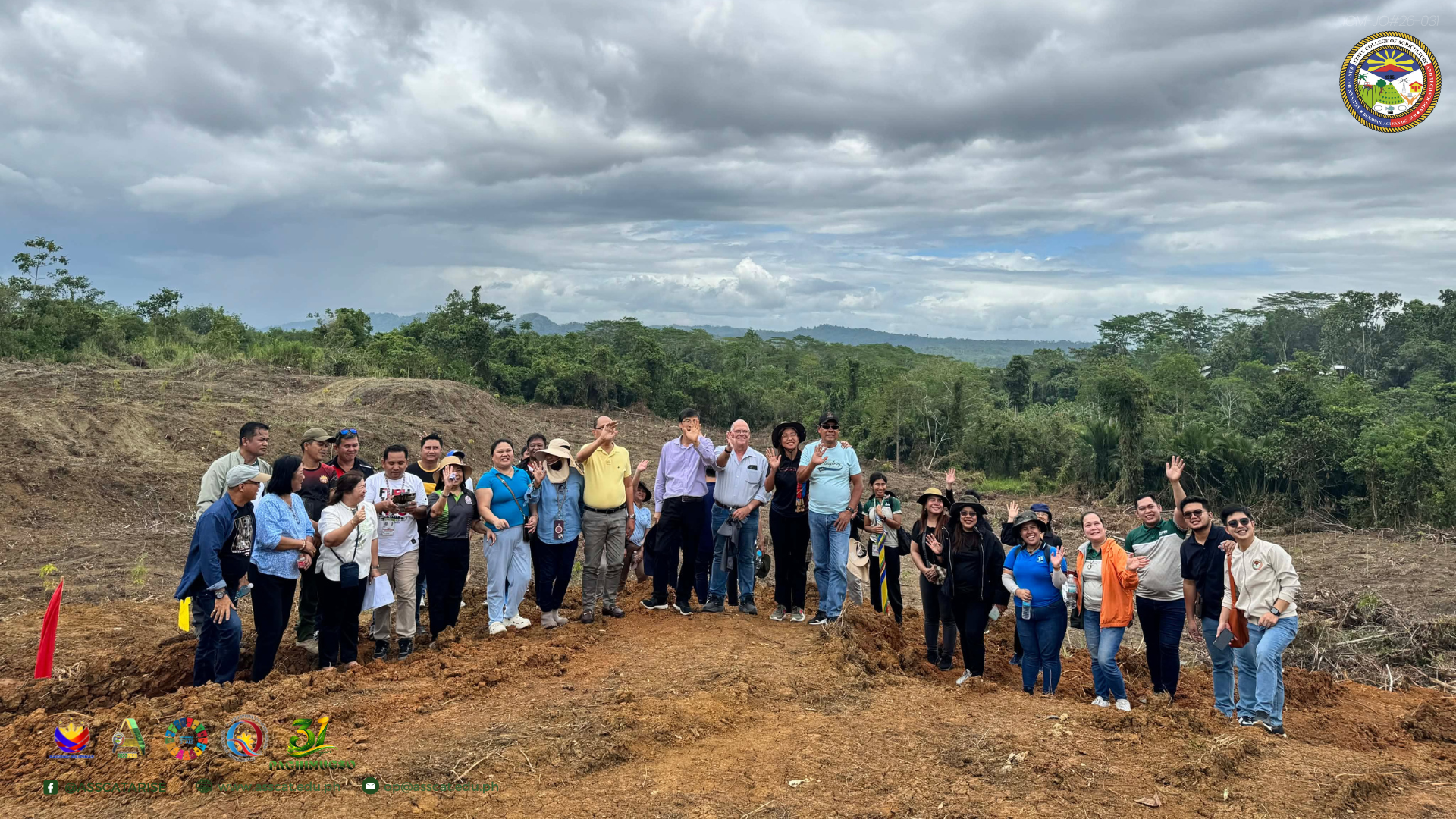
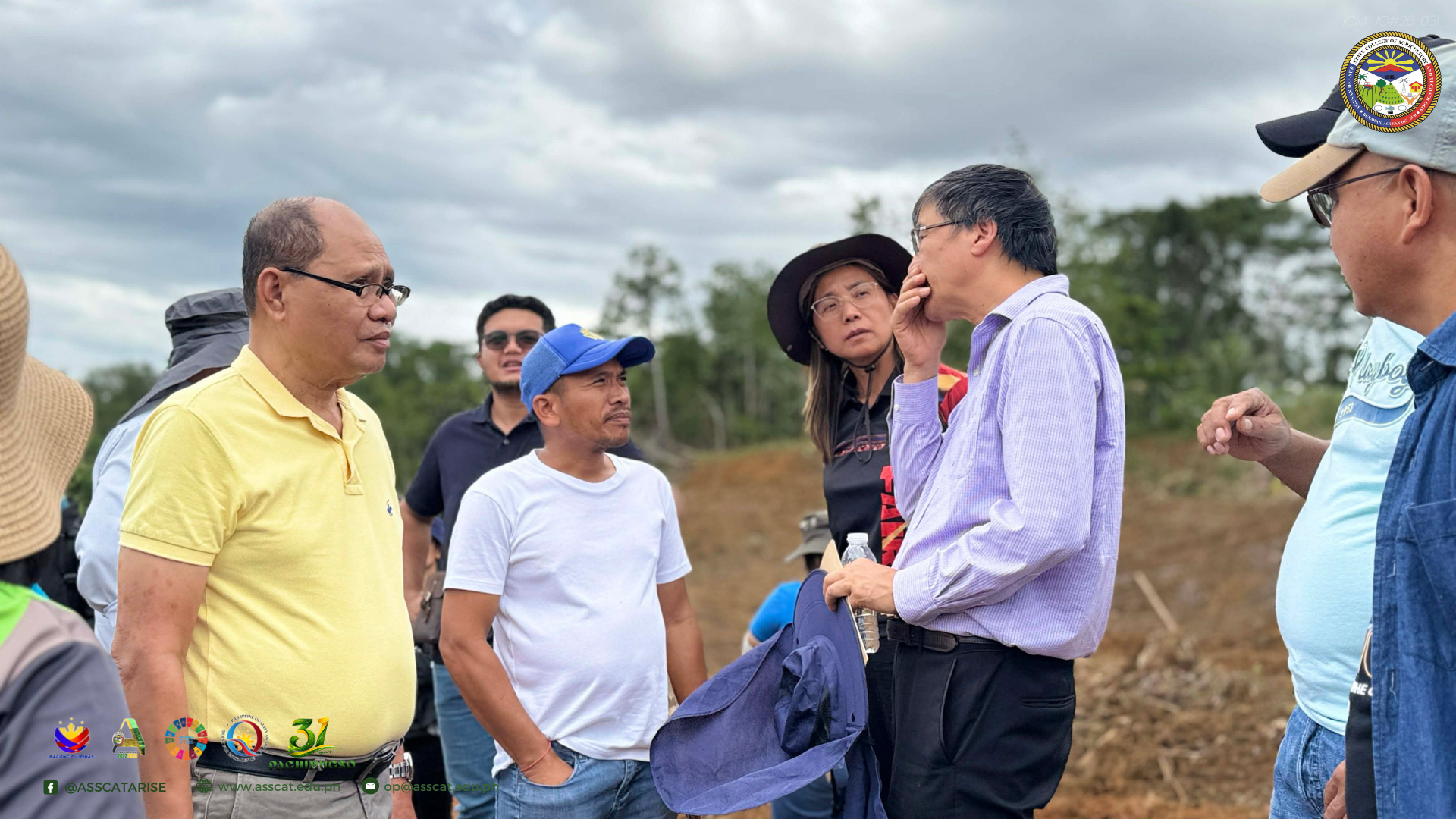
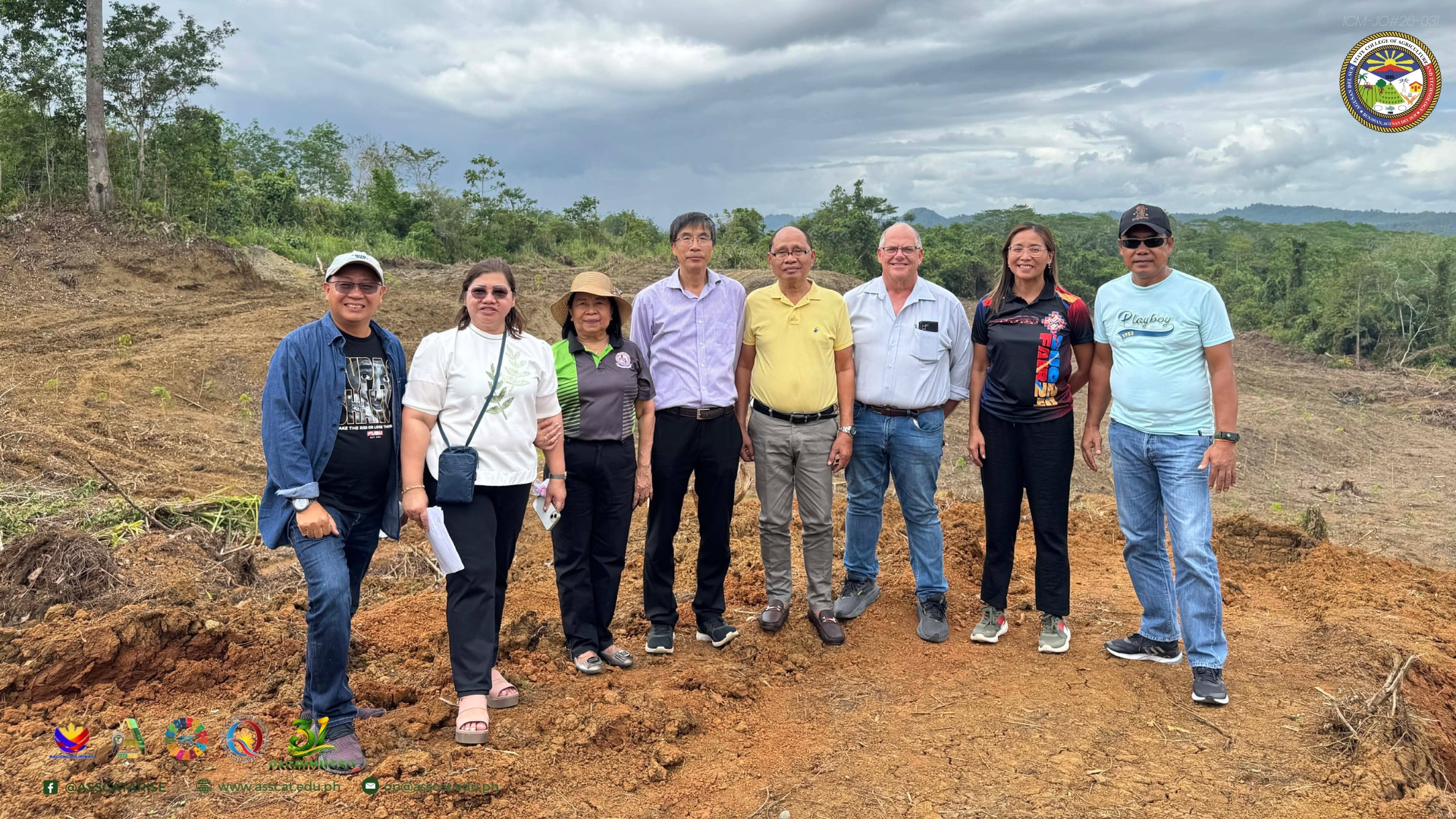
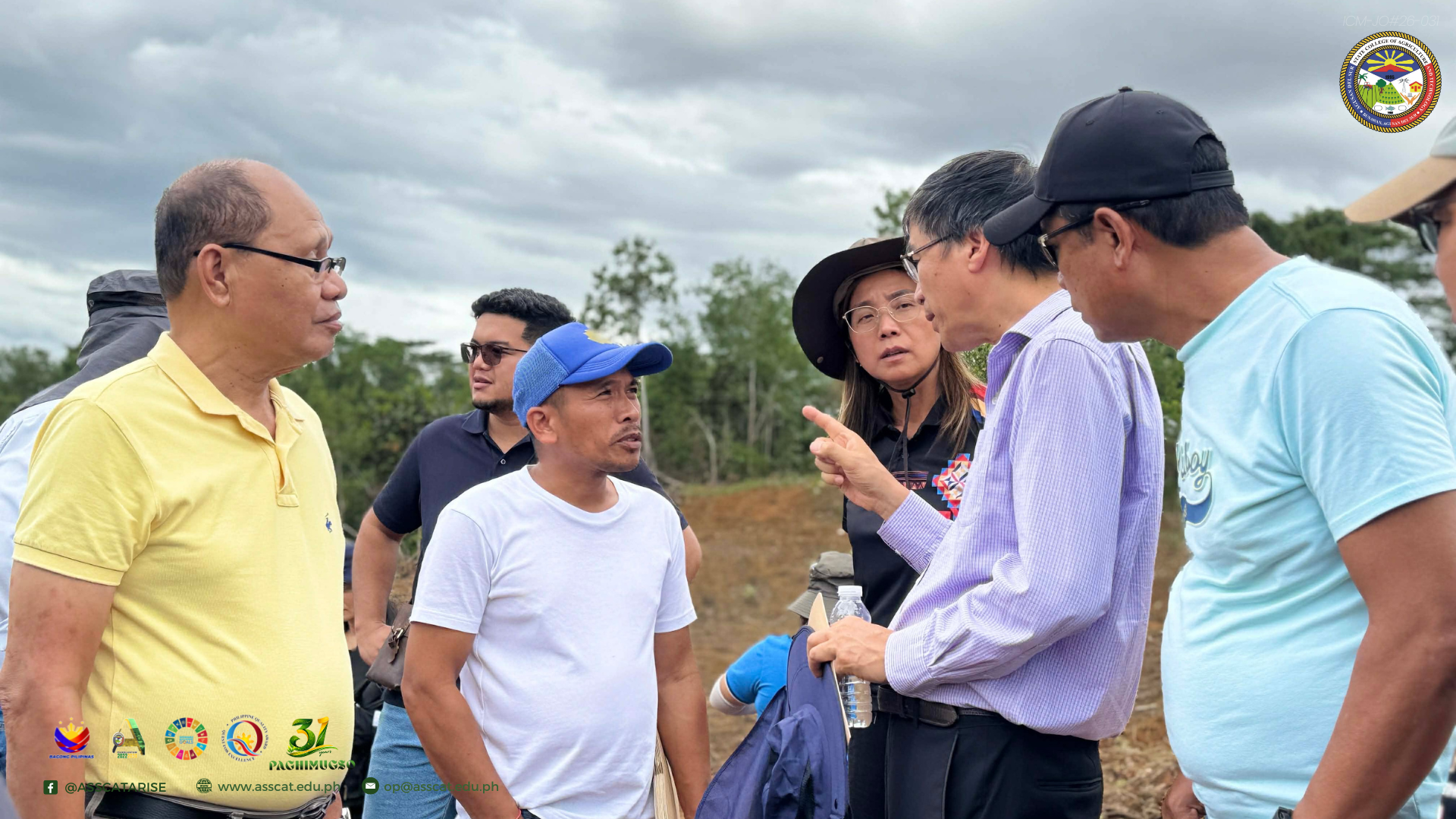
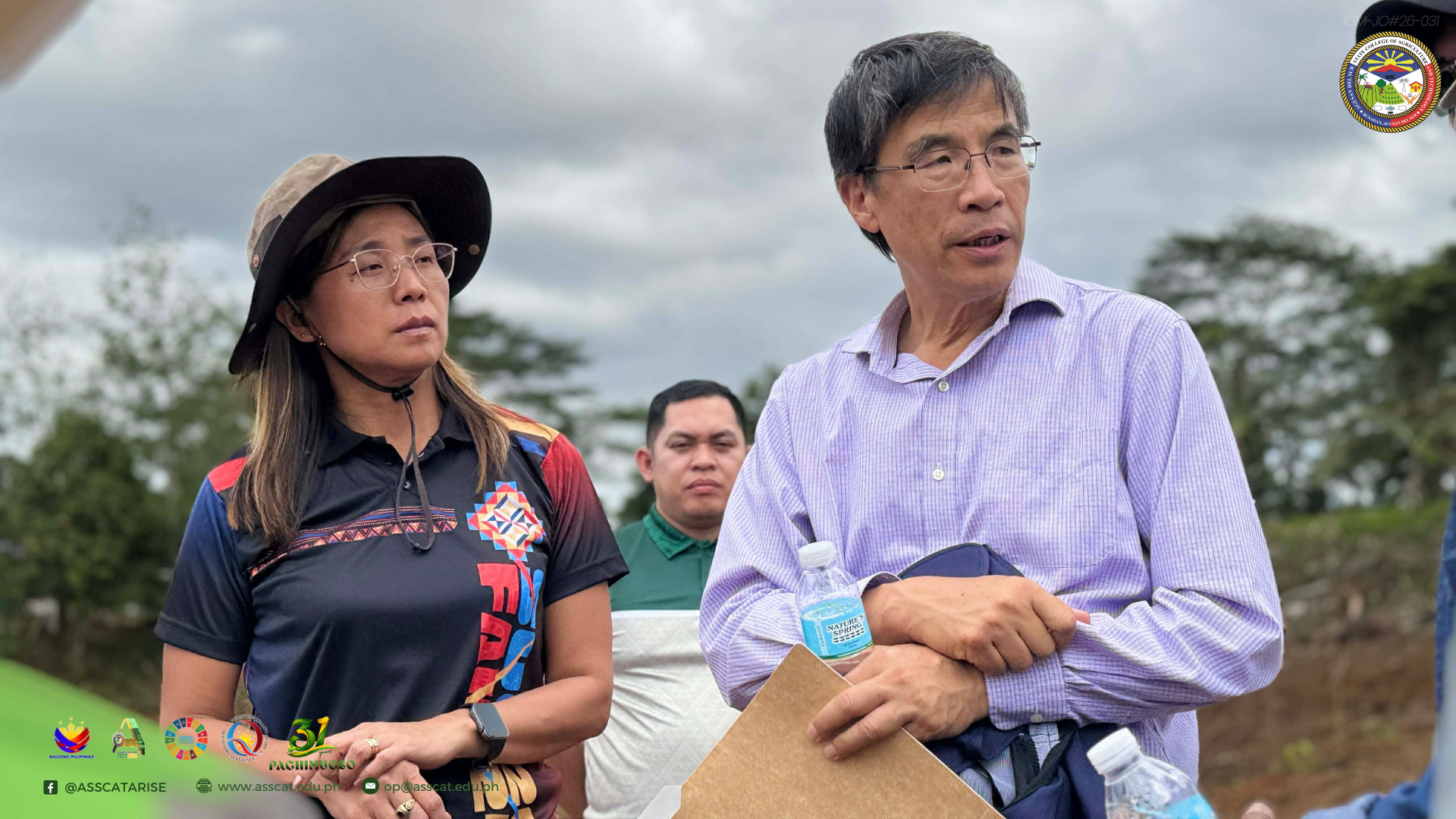
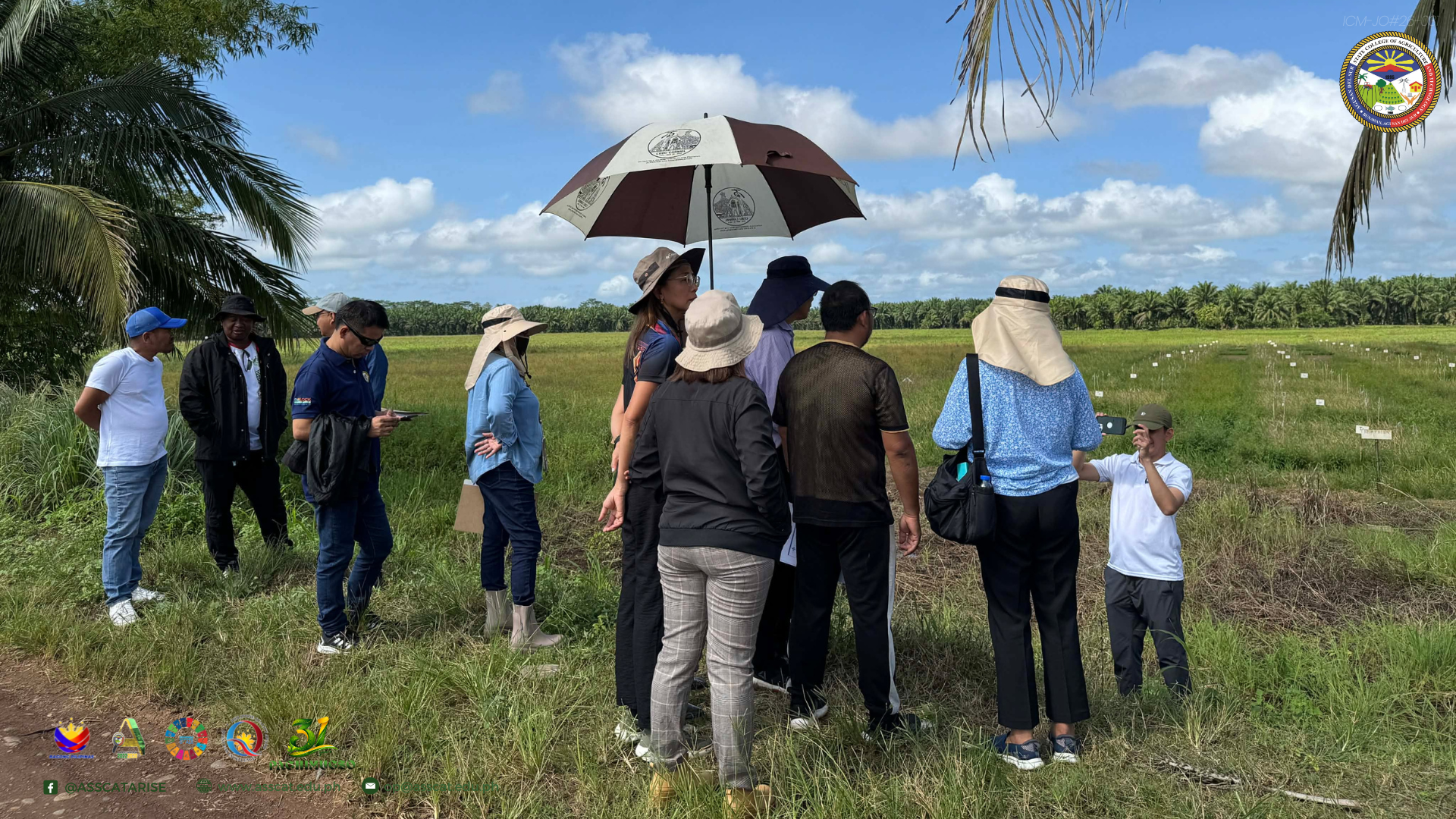
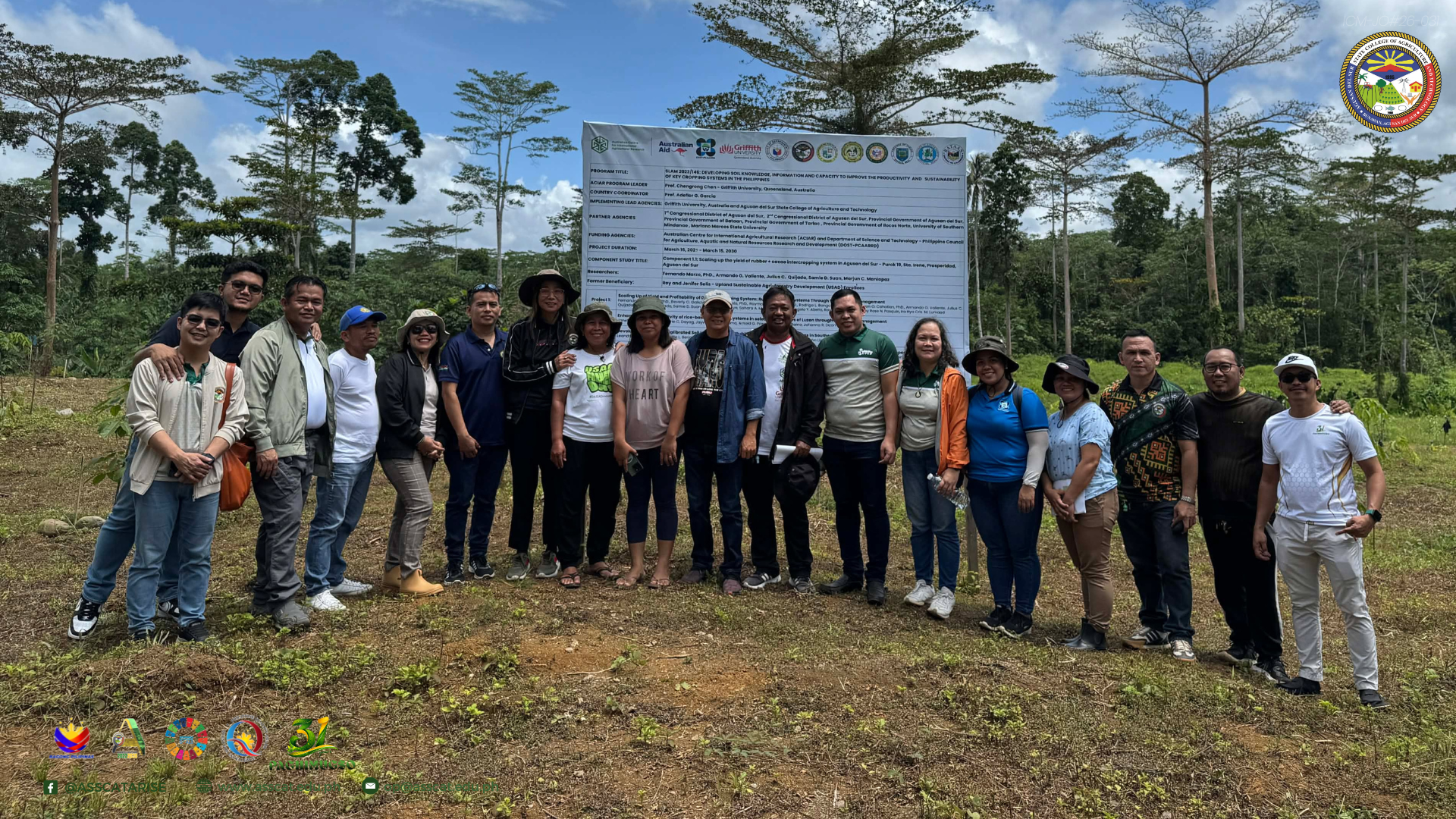
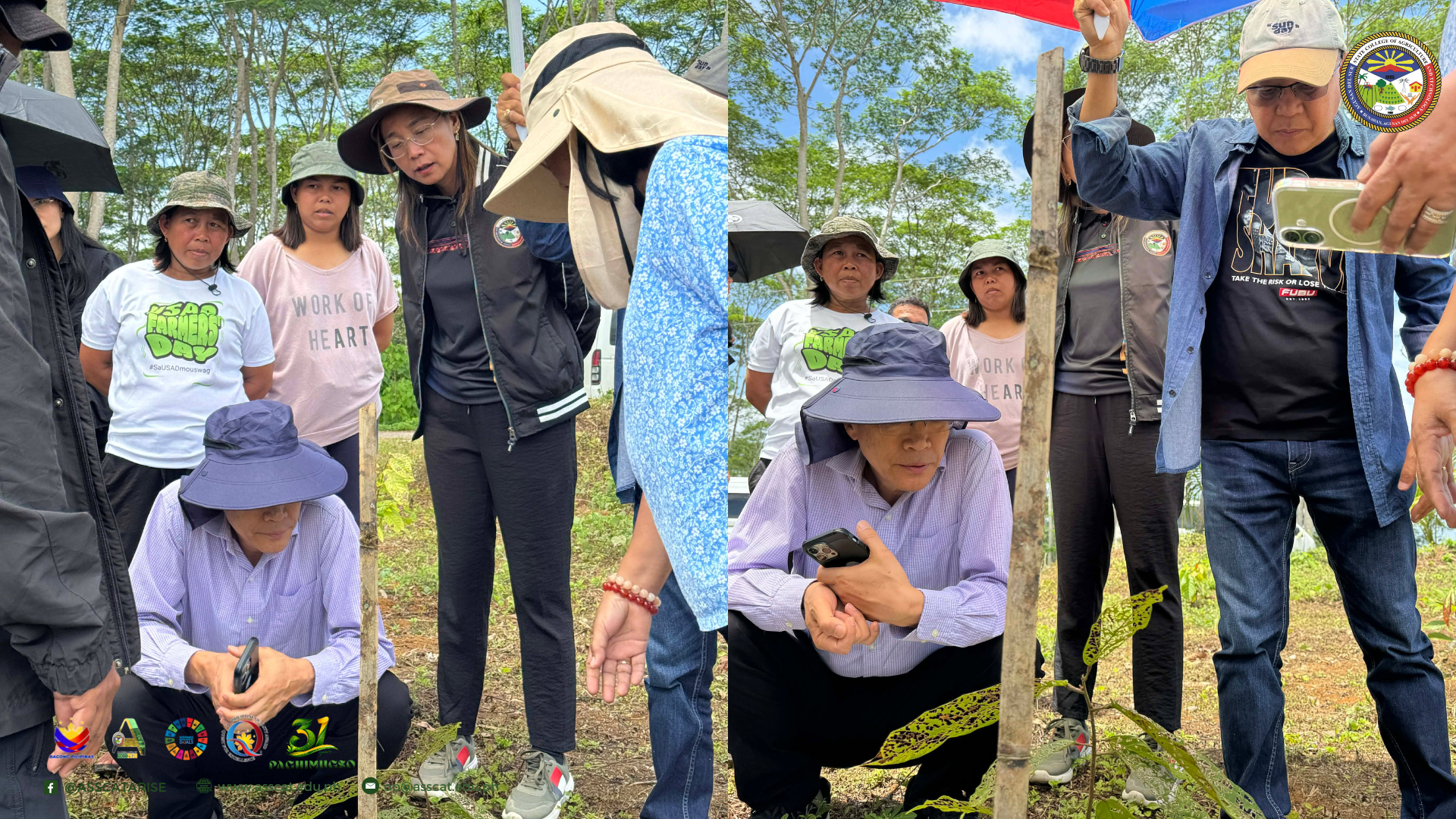
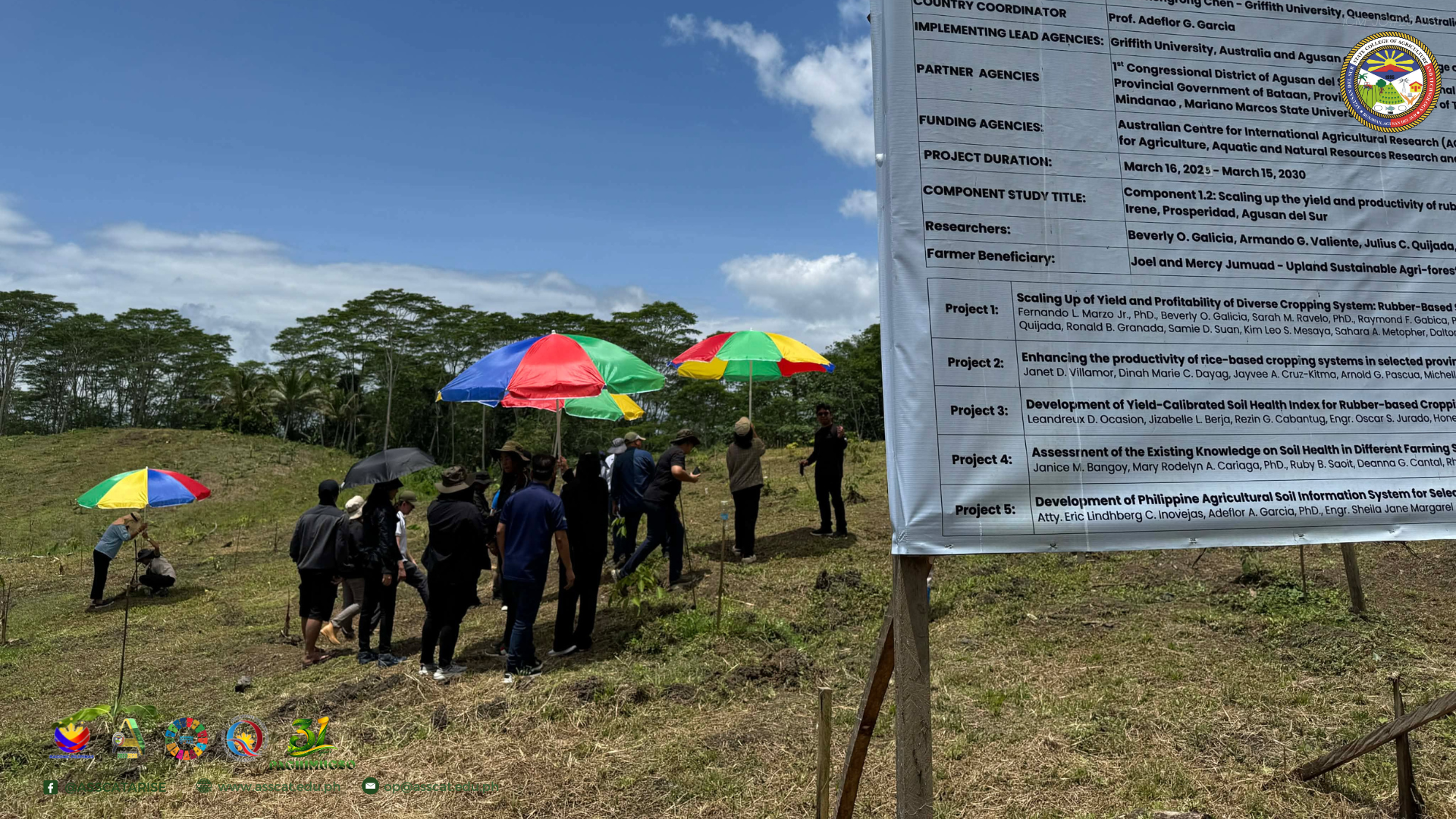
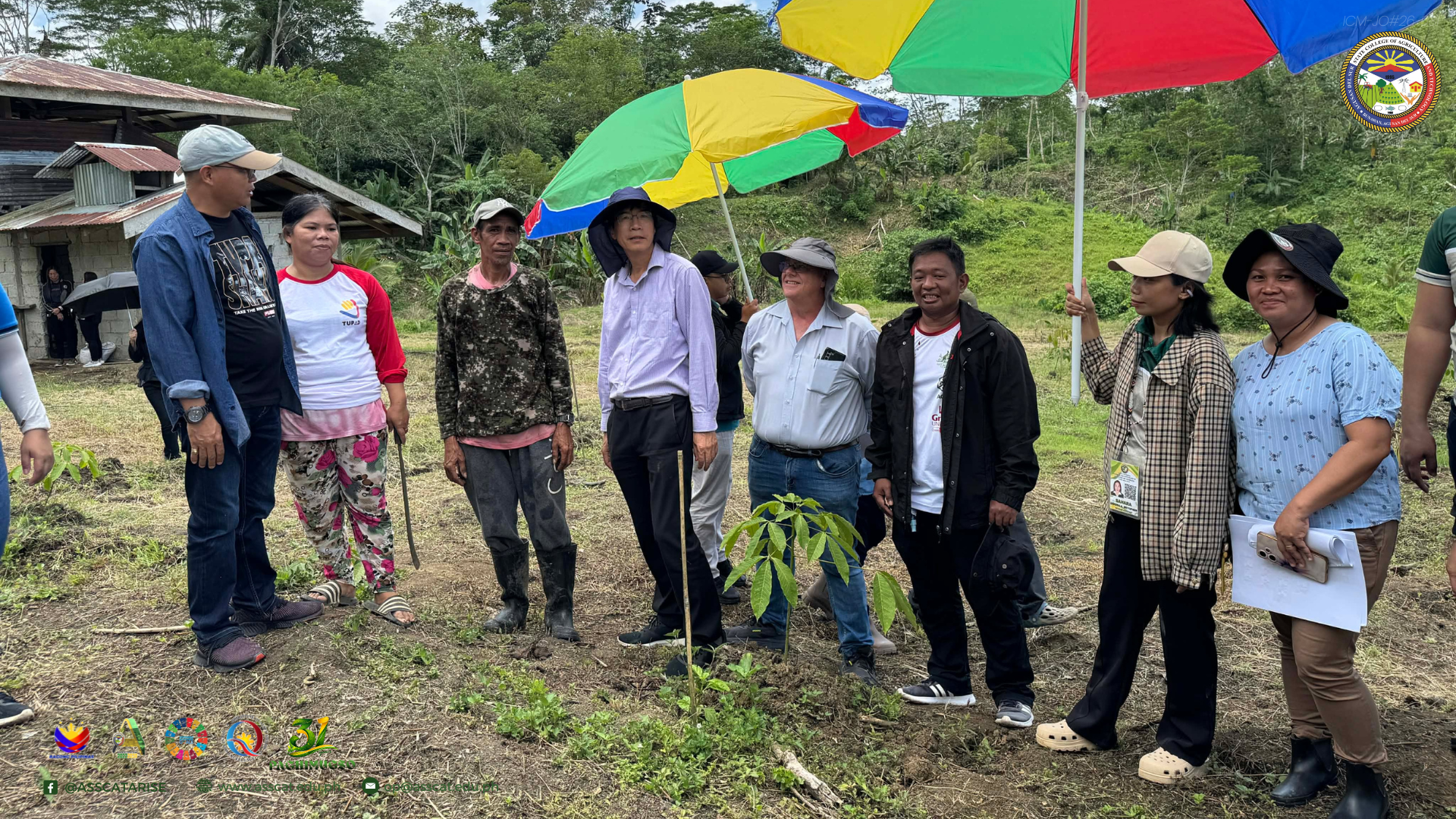
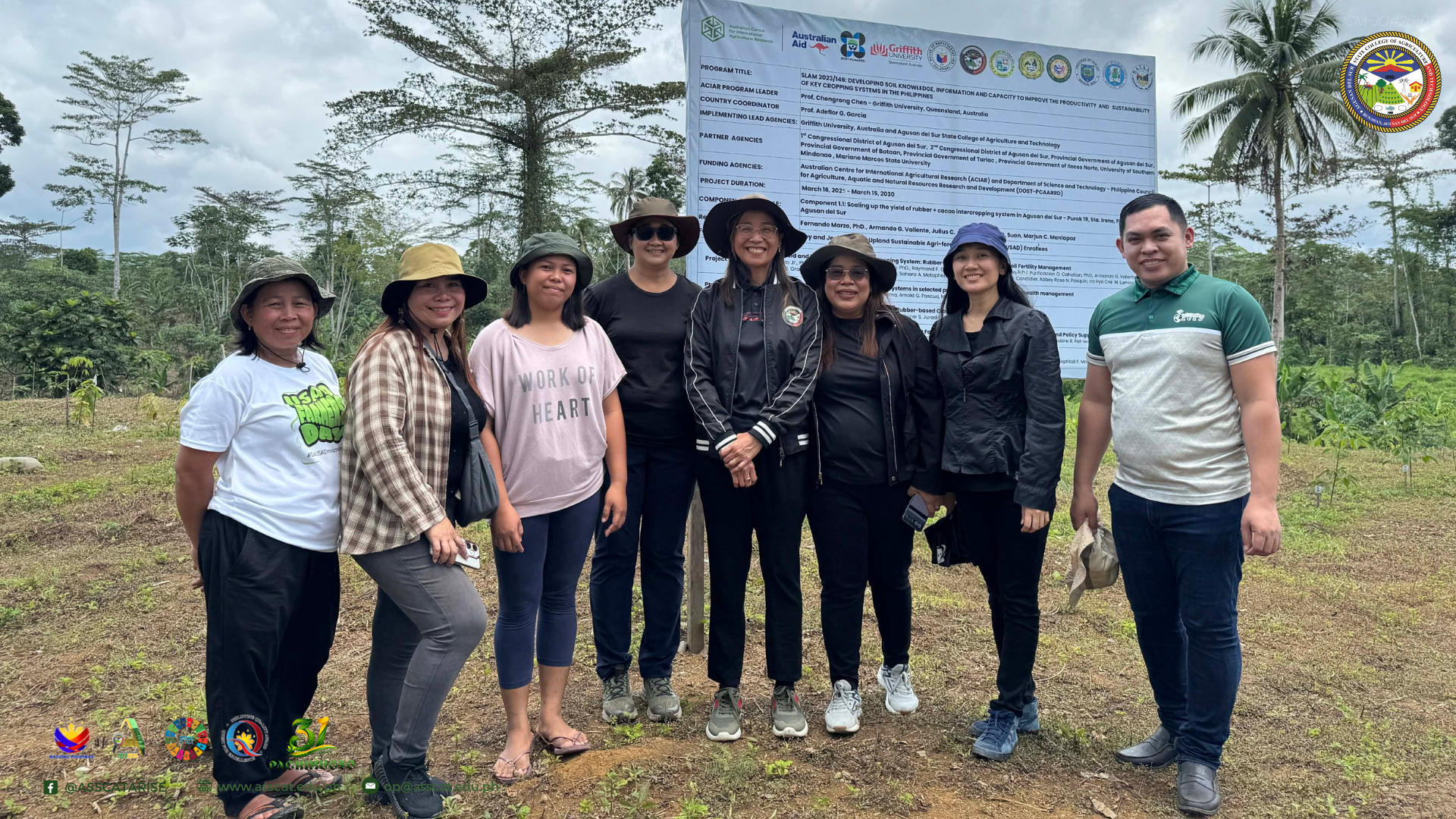
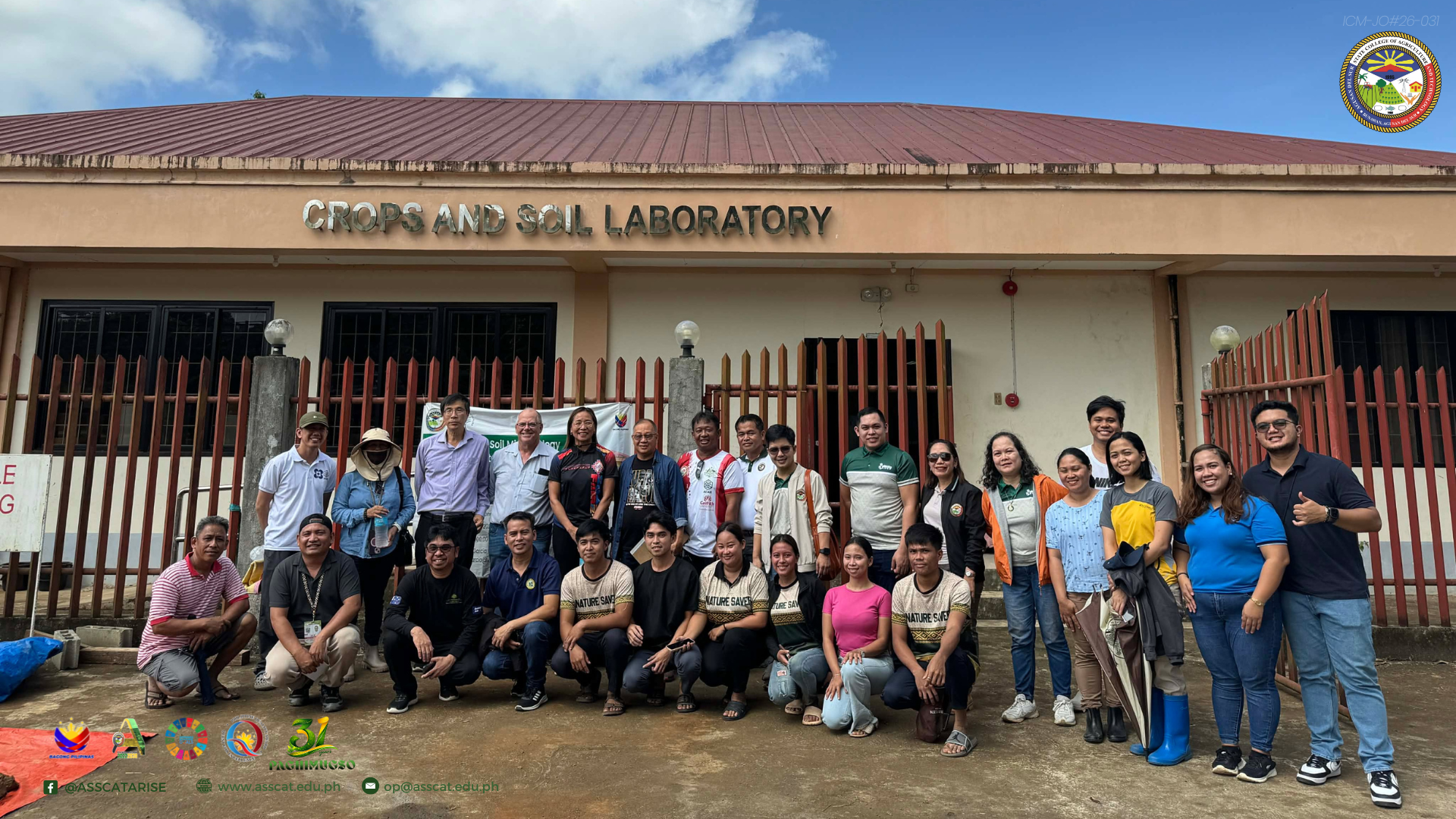
Agusan del Sur – March 22, 2026— Day 2 of the SLAM 2023-146 Project Monitoring and Evaluation shifted from presentations to actual field immersion, as project leaders and stakeholders conducted a series of site visits across key research areas in Agusan del Sur.
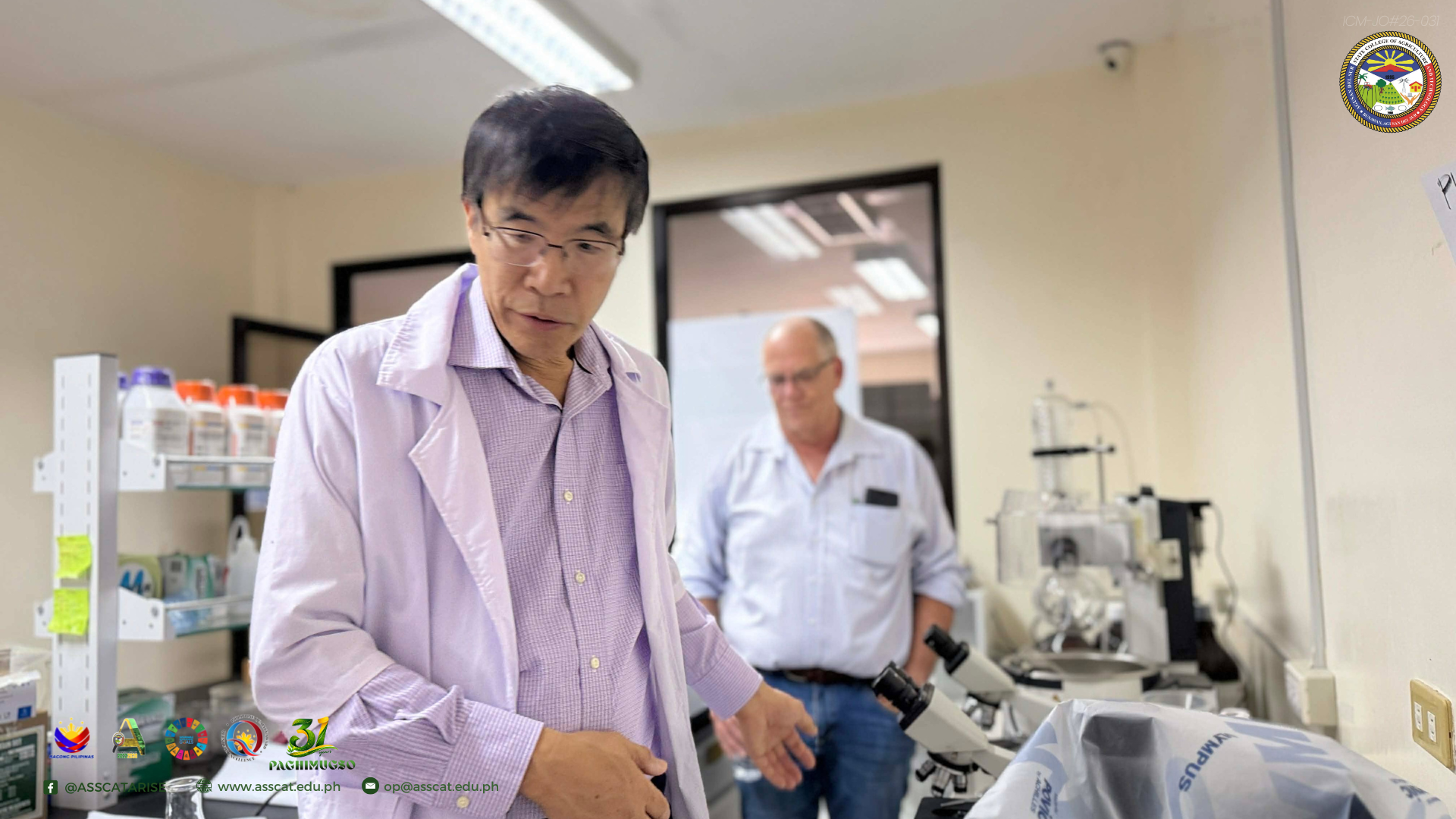
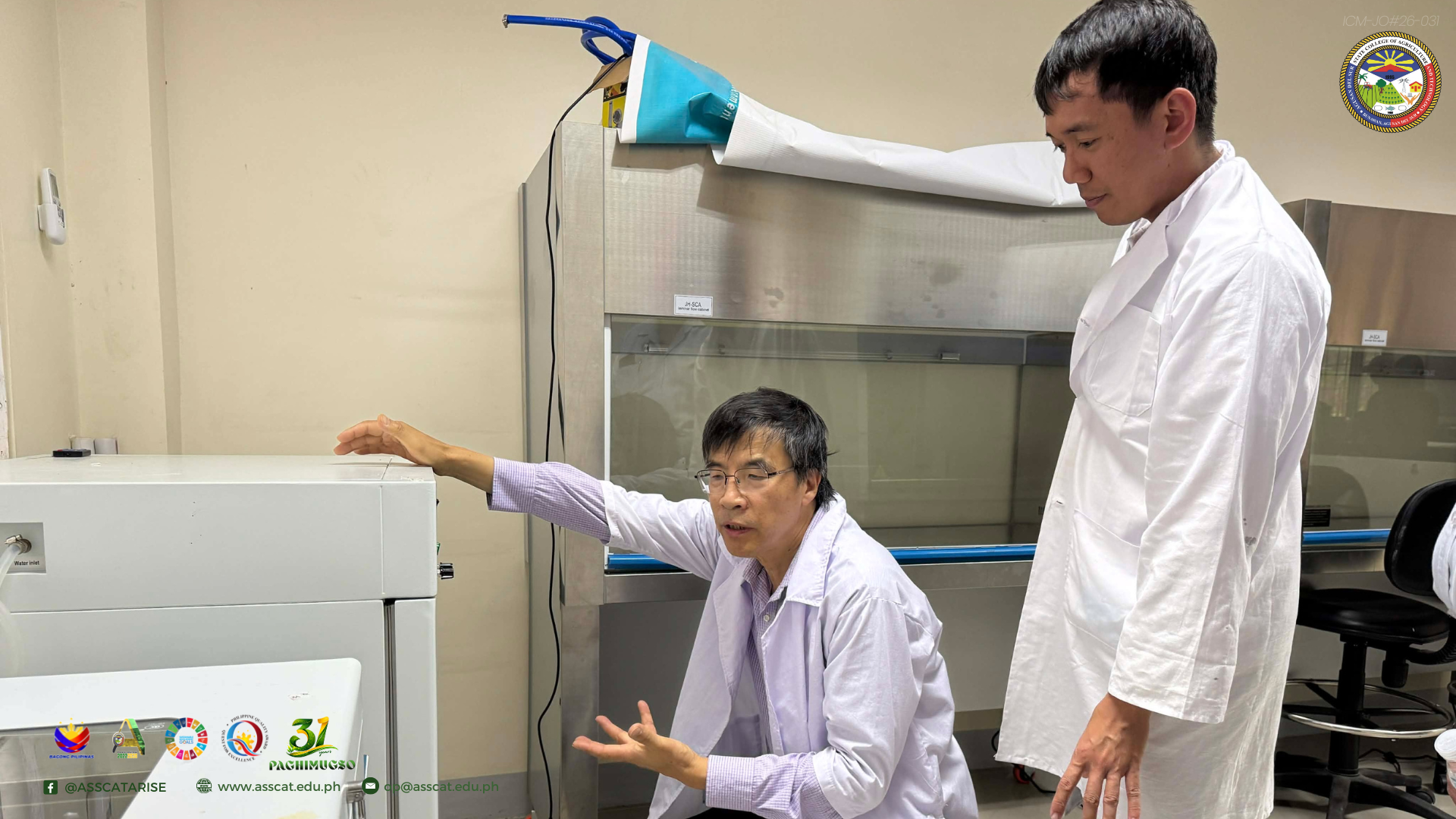
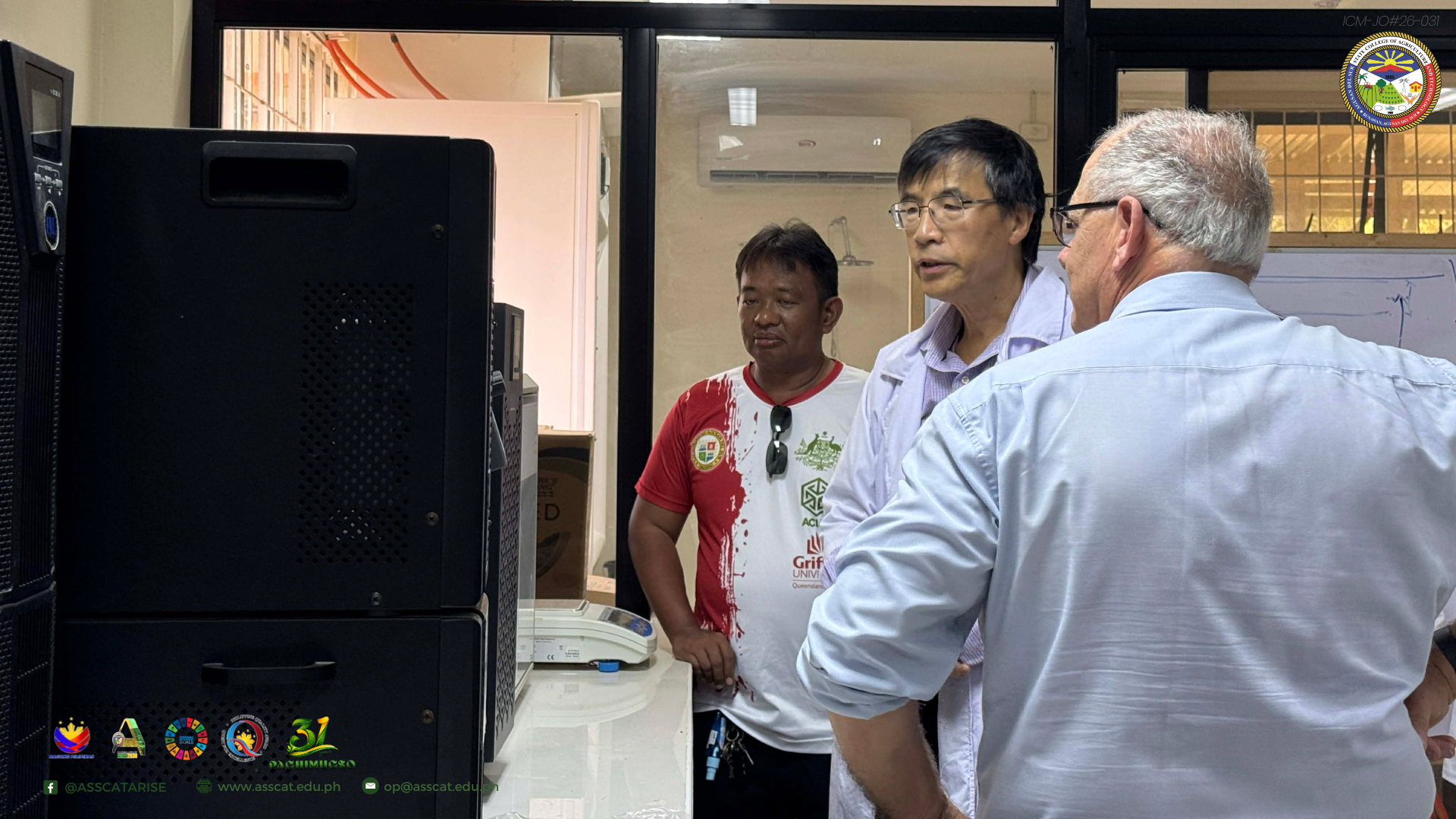
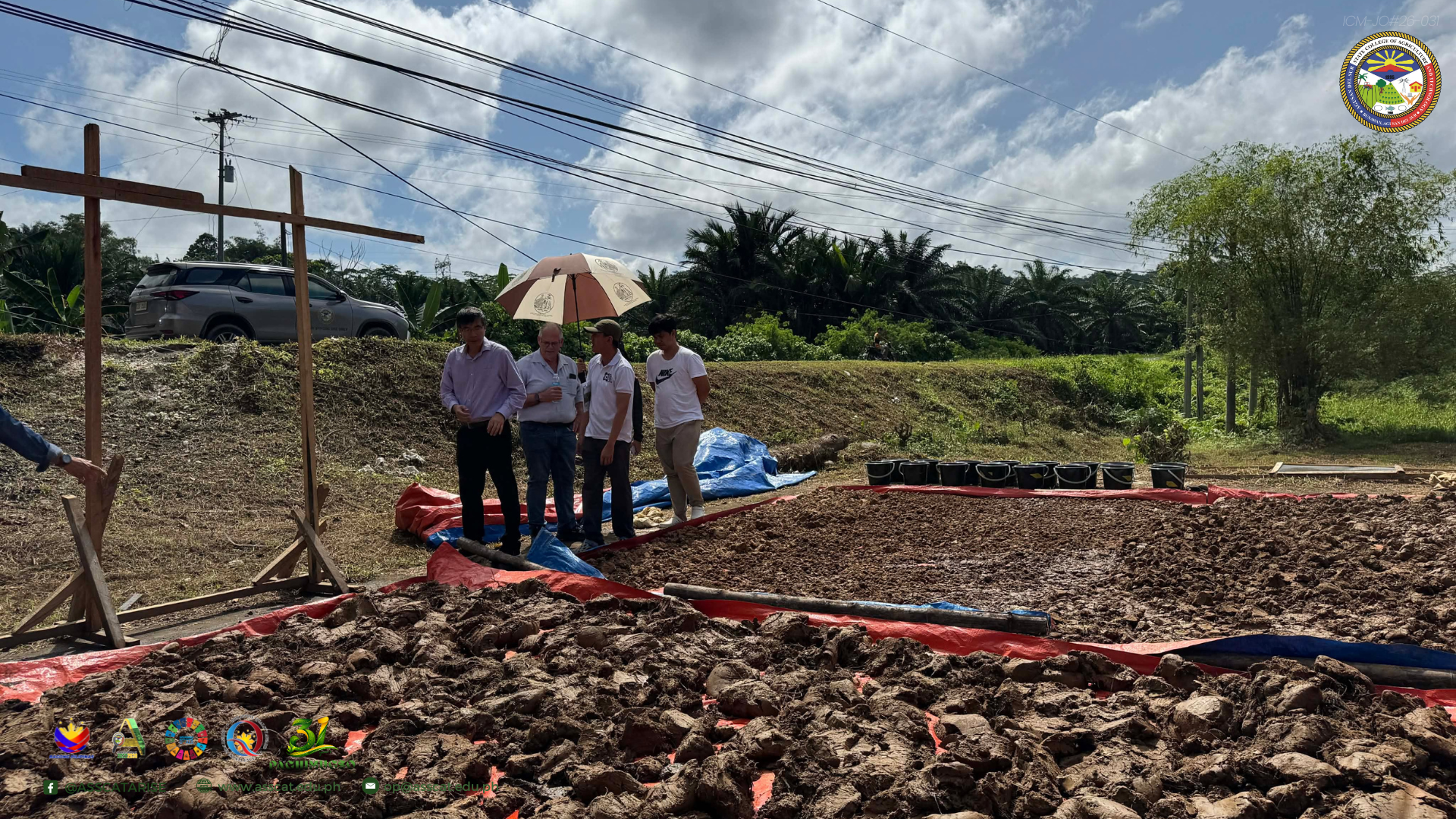
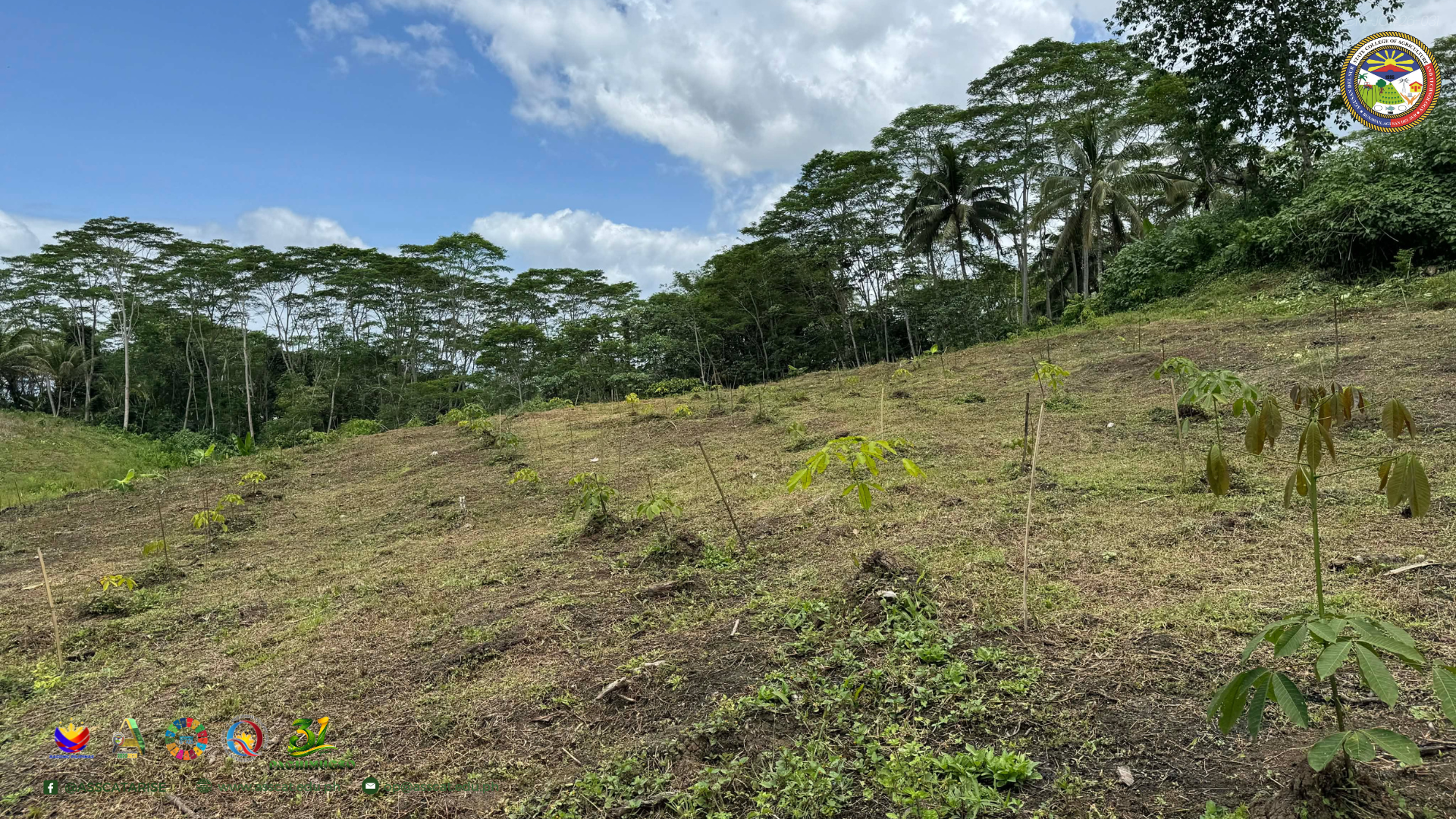
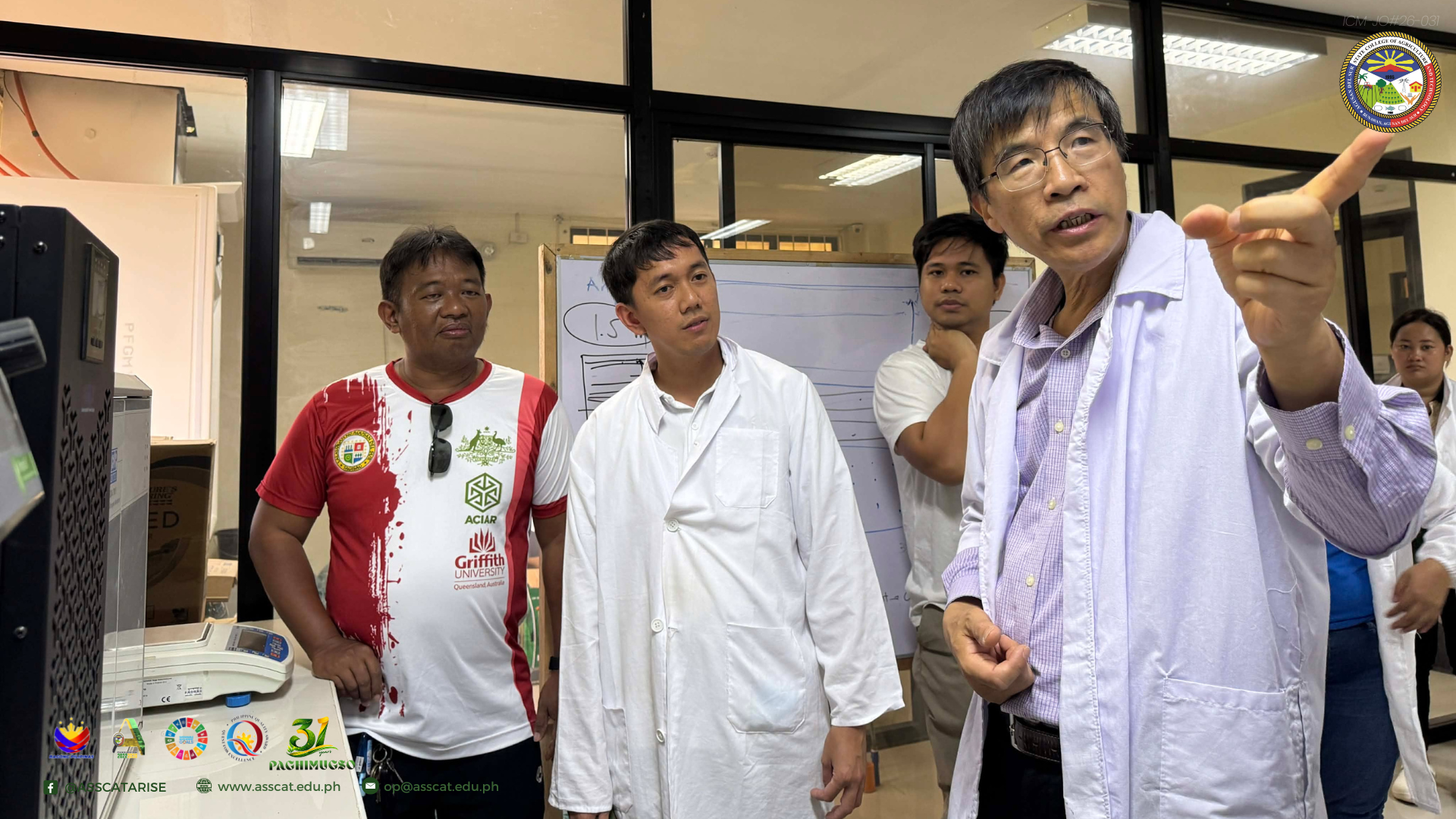
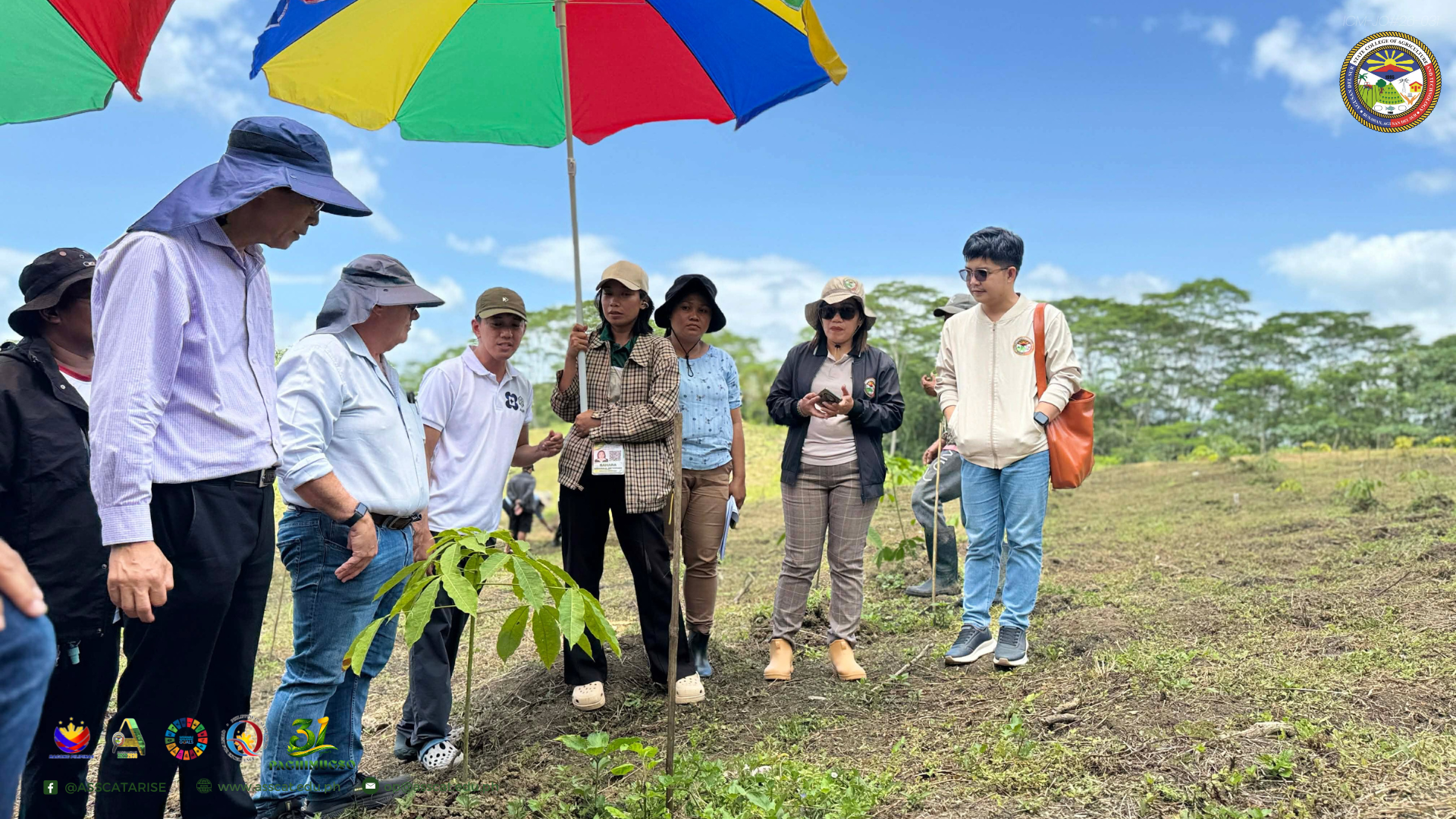
The activity began at the research facilities of Agusan del Sur State University (ADSSU) in Bunawan, where participants visited the rice field and the crops and soil laboratory. The team then proceeded to Sta. Irene, Prosperidad to observe ongoing studies on rubber + cacao and rubber + banana intercropping systems, and at Nuevo Trabajo, San Luis, where the rubber + calamansi model is being implemented.
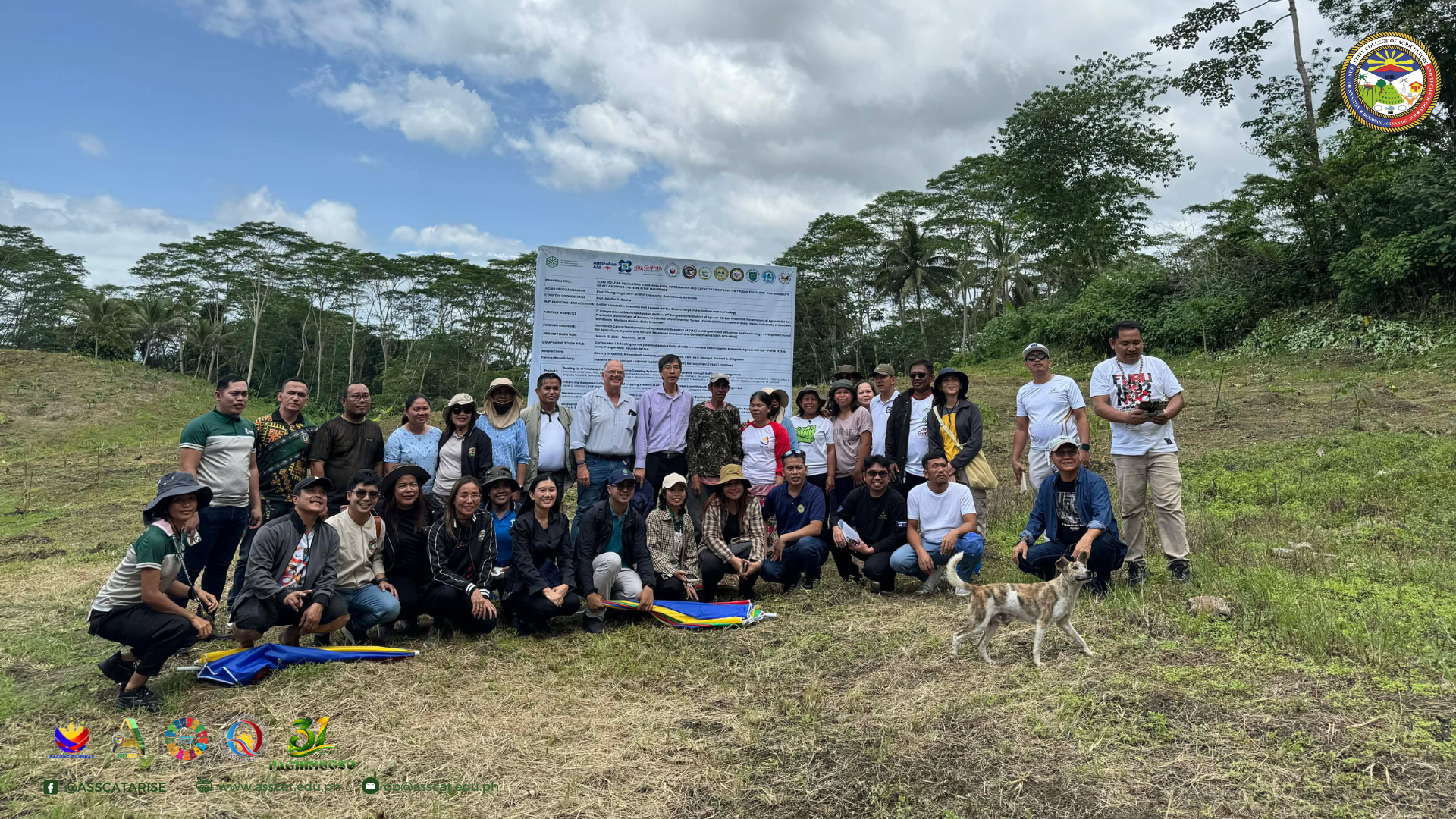
The SLAM 2023-146 Project, led by Program Leader Dr. Ferdinand L. Marzo Jr., is a research initiative that aims to enhance productivity and sustainability of rubber-based farming systems through science-driven and site-specific interventions.
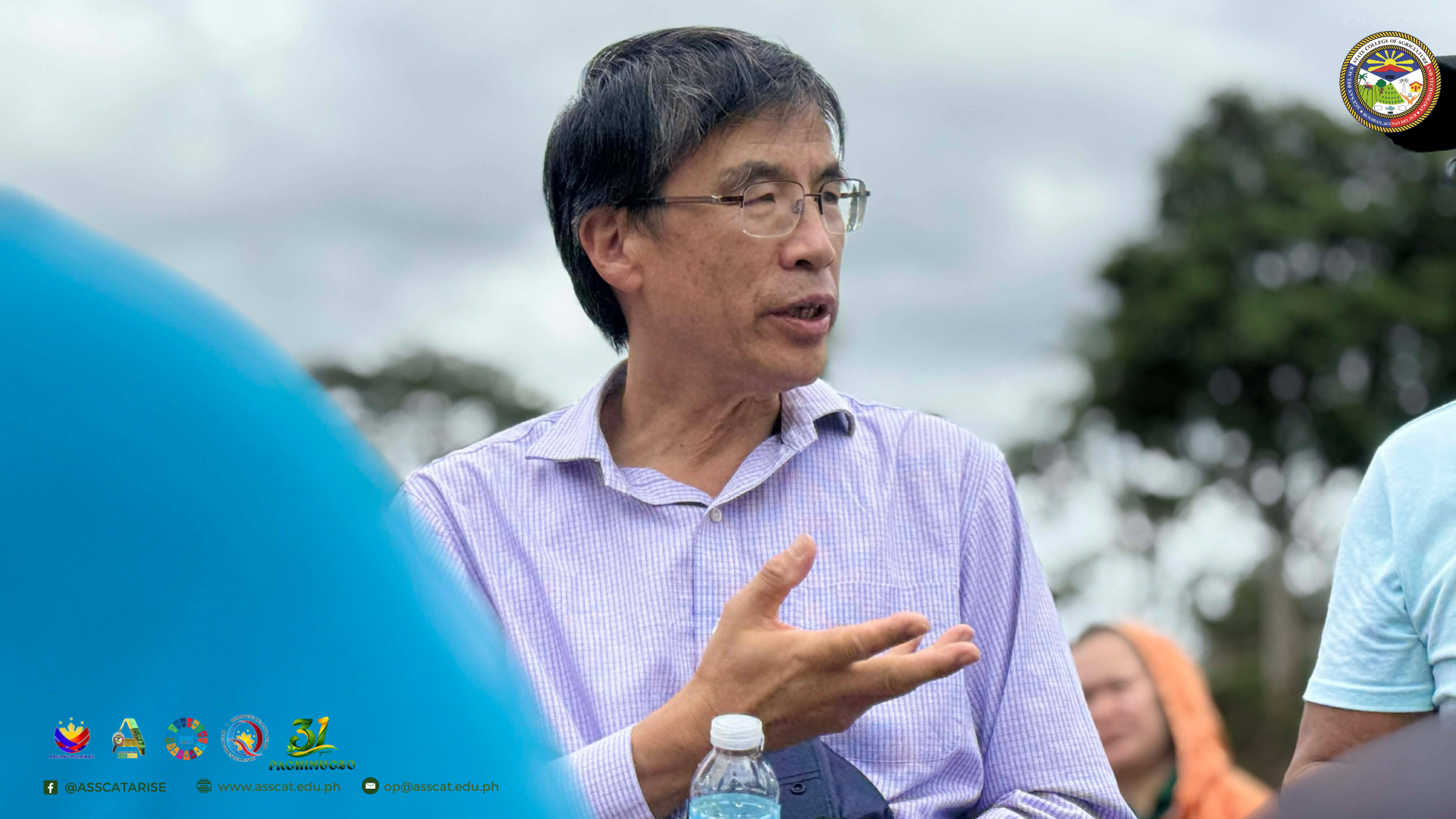
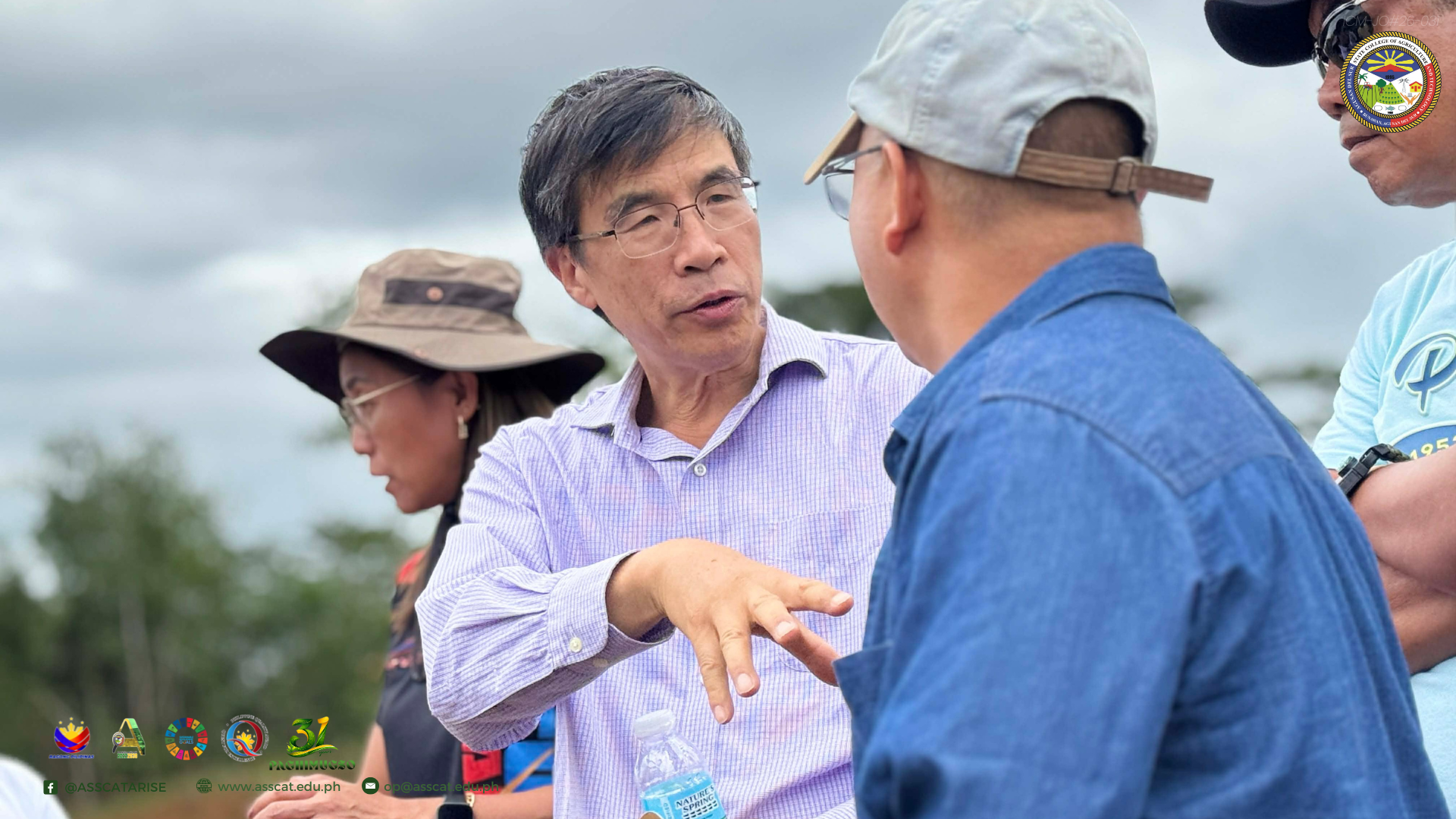
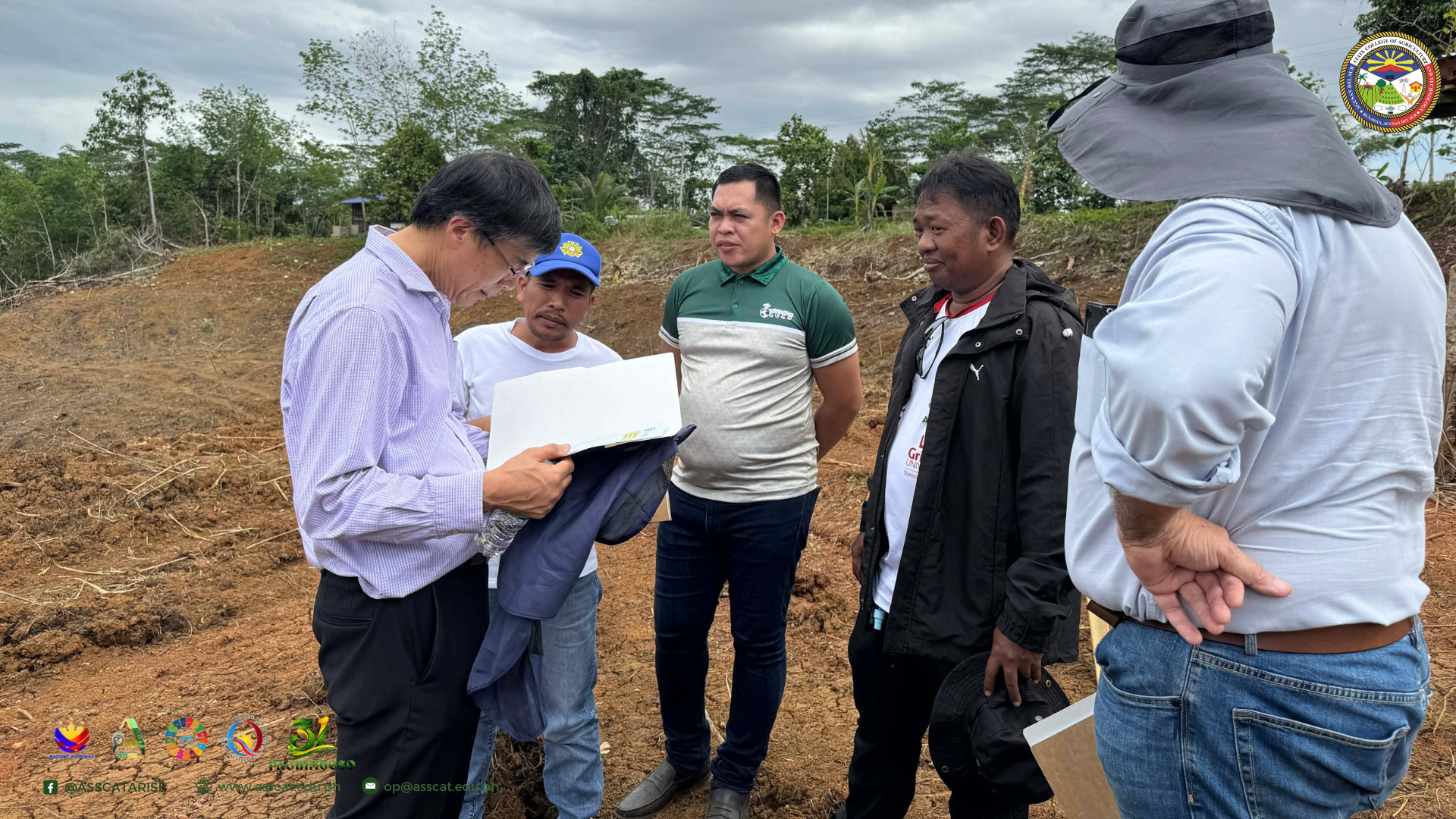
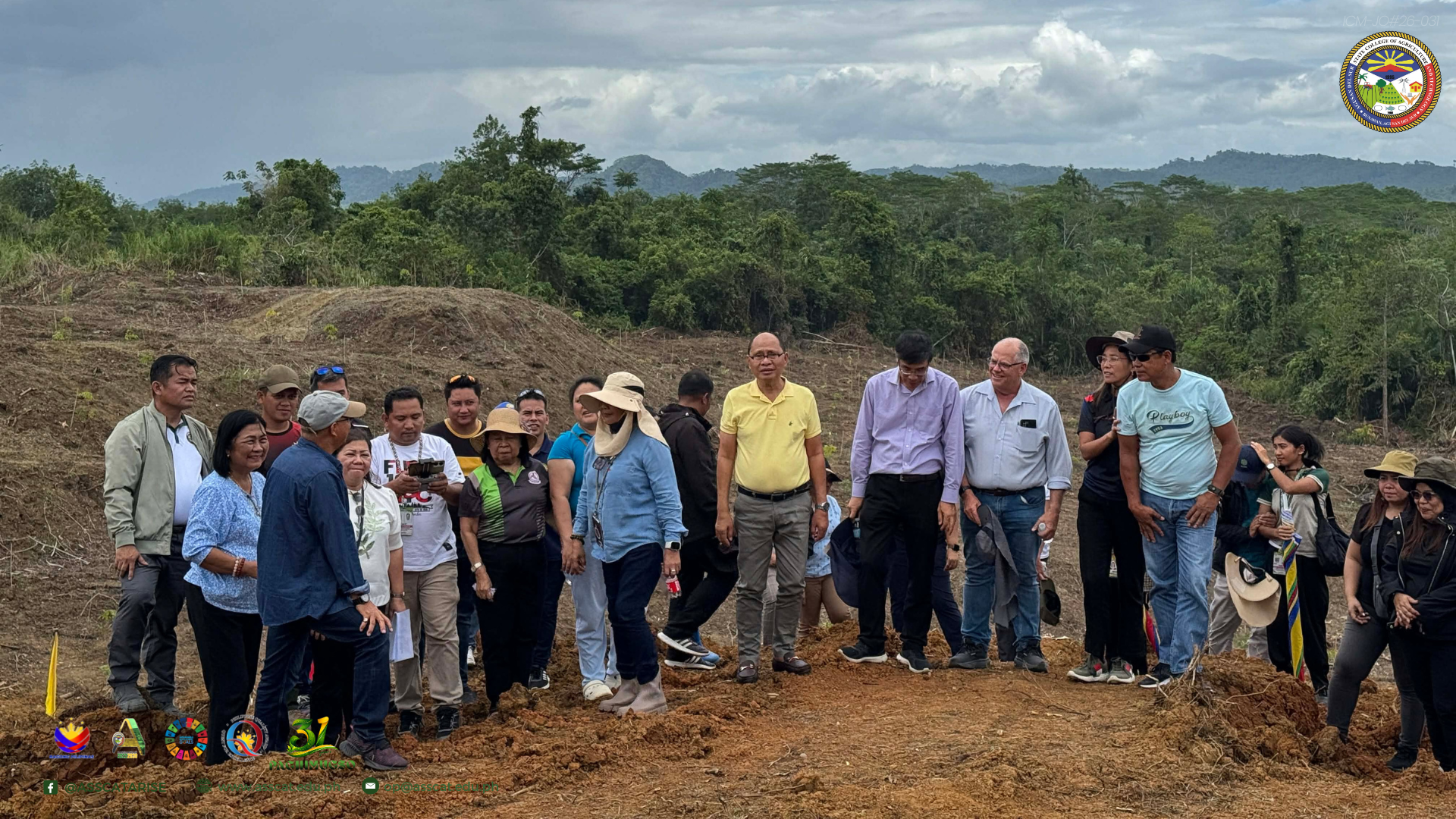
The University President Dr. Joy C. Capistrano, together with project leaders and team members from ADSSU, the University of Southern Mindanao (USM), and the Provincial Government of Agusan del Sur (PGAS), actively assisted Prof. Chengrong Chen and Prof. Evan Thomas during the site visits. The field engagement allowed the experts to directly assess project implementation, validate initial results, and provide technical insights to further improve the research components.
More than just a monitoring activity, the field visits highlighted the importance of translating research into real-world applications. Seeing the projects on the ground provided a clearer understanding of how innovations in soil health, crop integration, and farm management can directly benefit local farming communities.
This initiative demonstrates that collaboration is not only about shared goals, but about working together in the field—bridging knowledge, expertise, and practice—to create meaningful and sustainable impact, contributing to the advancement of Sustainable Development Goal (SDG) 2: Zero Hunger, SDG 12: Responsible Consumption and Production, and SDG 17: Partnerships for the Goals.